Historical figure · Notice Nearby
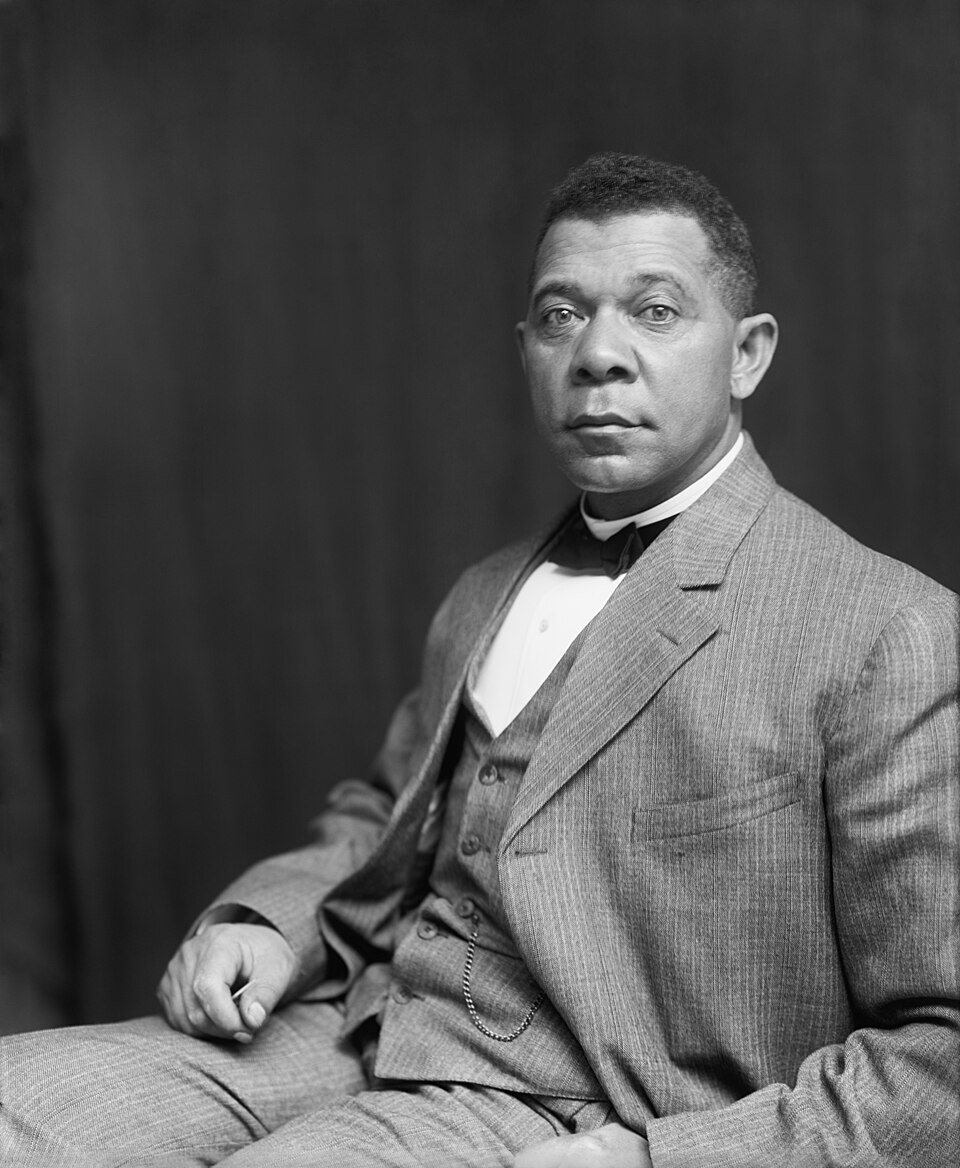
Booker T. Washington
April 5, 1856 – November 14, 1915
Tuskegee, Alabama
Content hash on Base
Base stores the content hash, publication number, memorial id, and timestamp — not the full obituary text. The complete memorial remains on Notice Nearby. This is not a legal affidavit.
Booker Taliaferro Washington died in Tuskegee, Alabama, on November 14, 1915. He was fifty-nine. He had collapsed in New York and insisted on being taken south, as if the campus he had raised from a shed were the only permissible deathbed. Born into slavery at Hale's Ford, Virginia, on April 5, 1856, he worked the salt furnaces of Malden, walked to Hampton Institute, and in 1881 took charge of a new normal school in a town that did not yet believe it needed one.
He taught a public doctrine of skilled work, property, and patience that won white philanthropy and split Black political thought. The Atlanta speech of 1895 — the one his critics called the Compromise — made him the most powerful Black man in the country and the man W.E.B. Du Bois would spend a career answering. Quietly, and not always consistently, Washington also funded court challenges and newspapers his public voice seemed to disown. Up from Slavery taught a generation how he wanted the story told; the secret correspondence tells the rest.
The Oaks, the house on campus, was both home and reception room for the Northern money that built brick dormitories with student labor. He measured success in land owned, trades learned, and invitations to the White House that he knew were as dangerous as they were useful. He dined with Theodore Roosevelt and spent years managing the anger that followed.
Tuskegee was the campus, the house, and the grave. The institute he raised is still at work under another name. The argument he started did not end at the fence.
Services
Died in Tuskegee on November 14, 1915. Interment on the Tuskegee University campus.