This register honors Americans who served the United States in war — soldiers, sailors, militia, spies, and patriots whose service is a matter of public record. Notice Nearby writes the pages. It does not invent medals, missing-in-action status, or biographies.
The Revolution is the thickest roll. 1812, the Mexican–American War, the Civil War, the Spanish–American War, the world wars, Korea, Vietnam, and the Iraq Medal of Honor pages are open and growing. Those missing in action are a duty of this register, not an afterthought. So is a decorations register for documented Purple Heart and Bronze Star recipients. So is the Tomb of the Unknown Soldier. The September 11 memorial essay stays on the register as an archived page, not a current homepage feature.
Mentions only — for now
American War Heroes is a publisher-curated historical register. Notice Nearby writes these entries from documented public records. Checkout does not add a name to a war roll, and we do not issue Heroes badges, MIA labels, or a “verified veteran” mark.
A paid Community memorial may mention military service in the family’s own words. That mention stays on the obituary. It is not verification, and it does not enroll anyone on these lists. Claiming service that was not given is stolen valor. It is disrespectful to those who served.
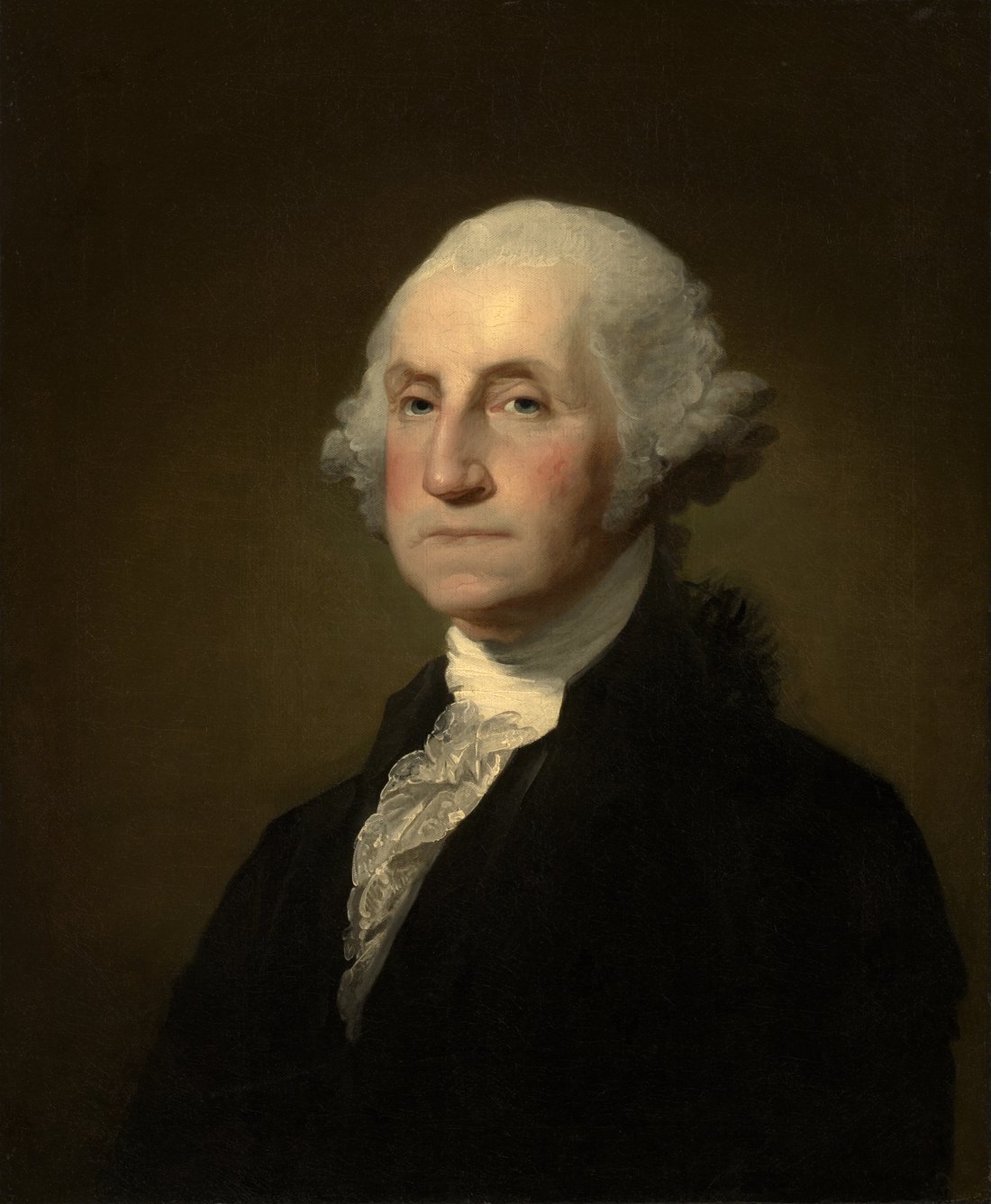
George Washington took command of a rebel army that had more cause than powder. Congress named him in June 1775. He was forty-three, a Virginia planter who had learned war on the Ohio as a young officer and then learned …
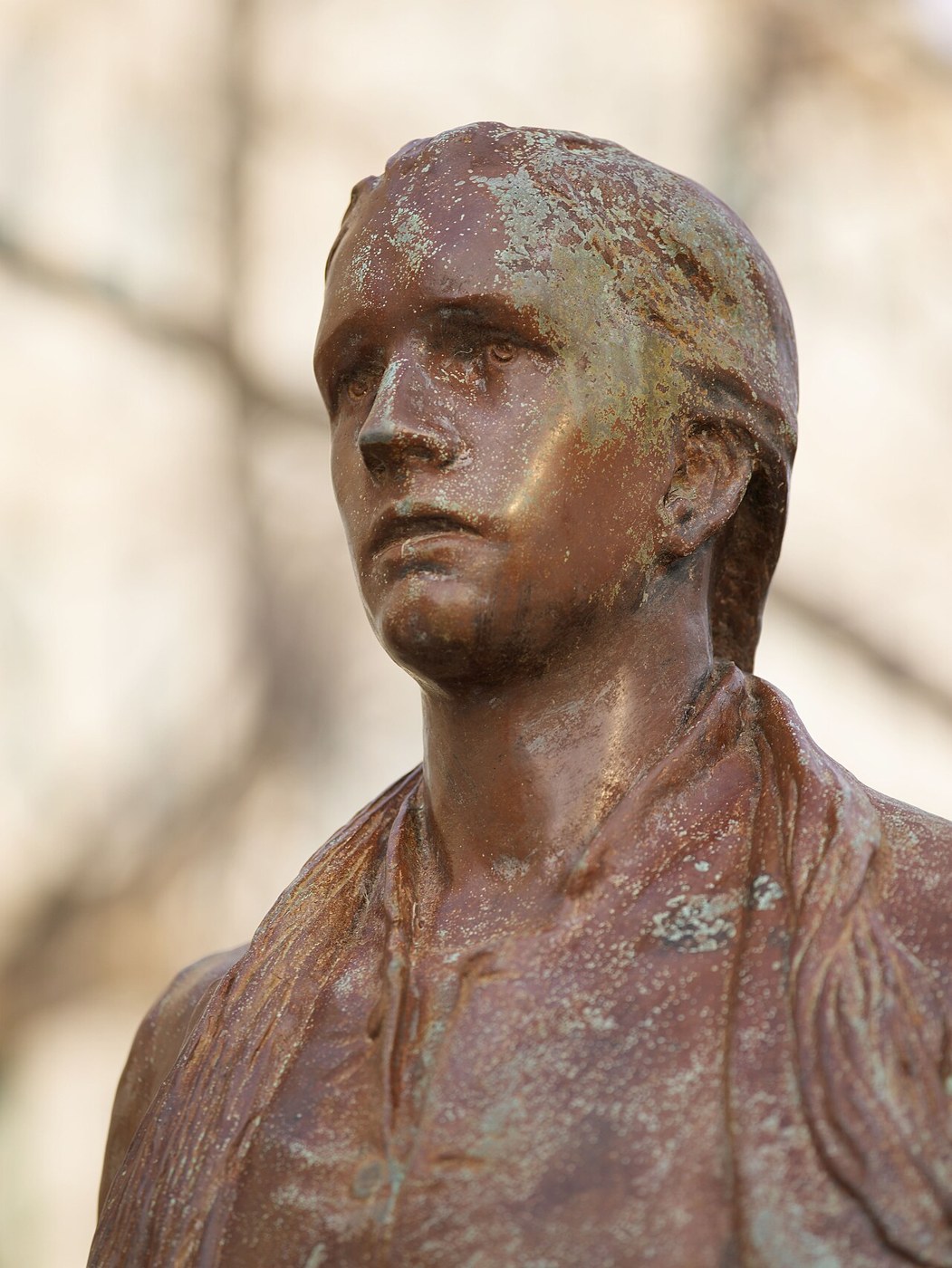
Nathan Hale was hanged in New York on September 22, 1776. He was twenty-one. A Yale graduate from Coventry, Connecticut, he had taught school, then taken a captaincy in the 19th Continental Regiment. After the army was d…
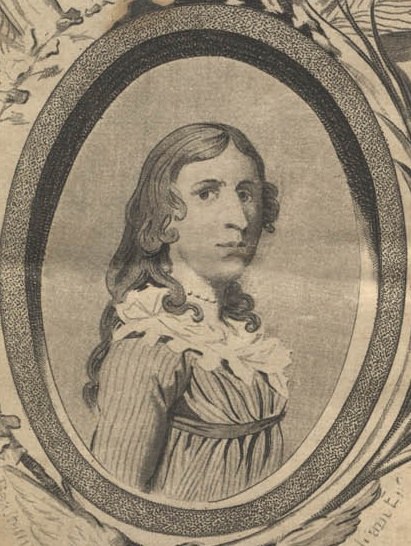
Deborah Sampson enlisted in the Continental Army in 1782 under the name Robert Shurtliff. She was twenty-one, from Plympton, Massachusetts, and she had already learned that a poor woman's choices were narrower than a poo…
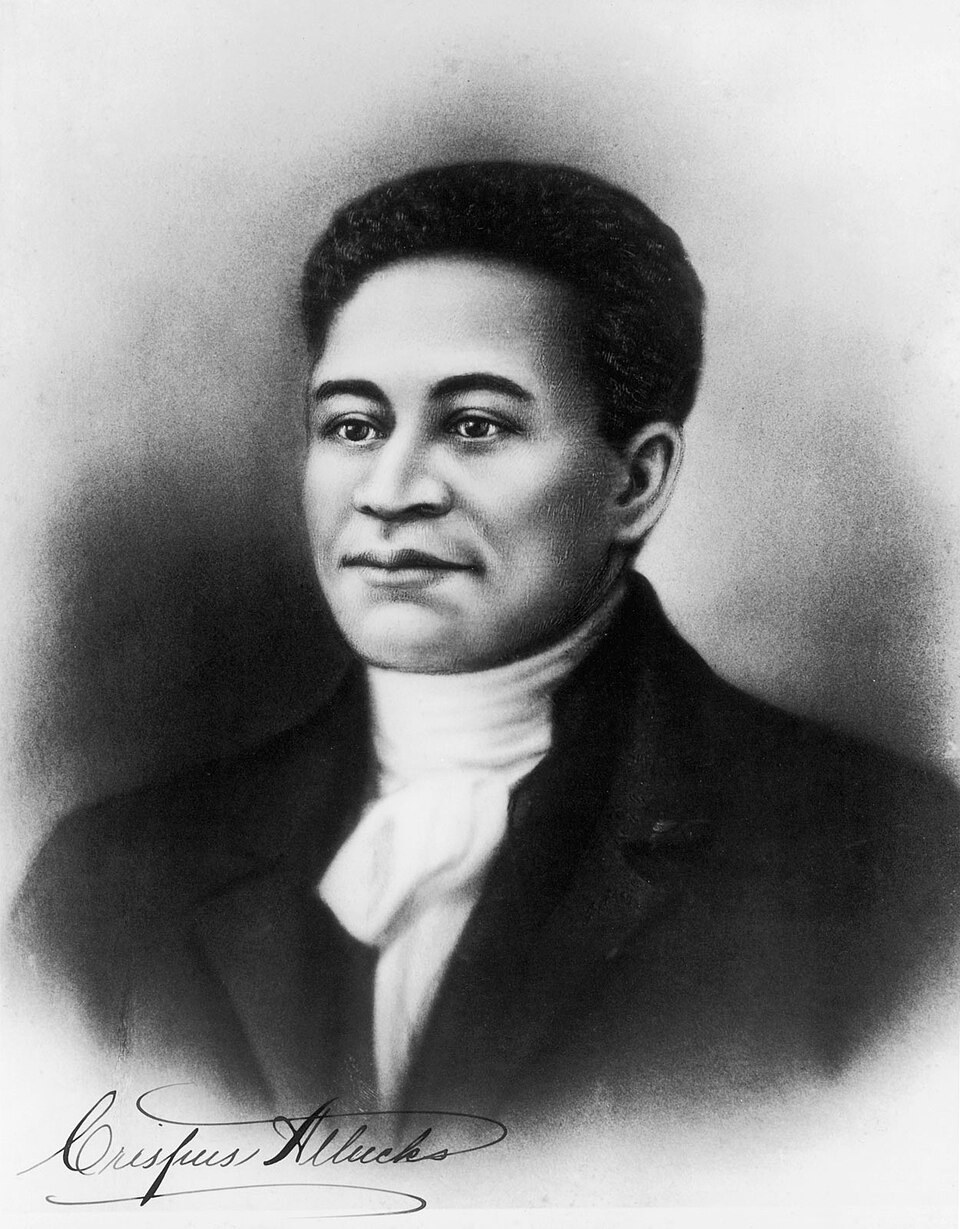
Crispus Attucks died in King Street on the night of March 5, 1770, when British soldiers fired into a Boston crowd. He was about forty-seven. Contemporary accounts describe a tall man of African and Native ancestry, a se…
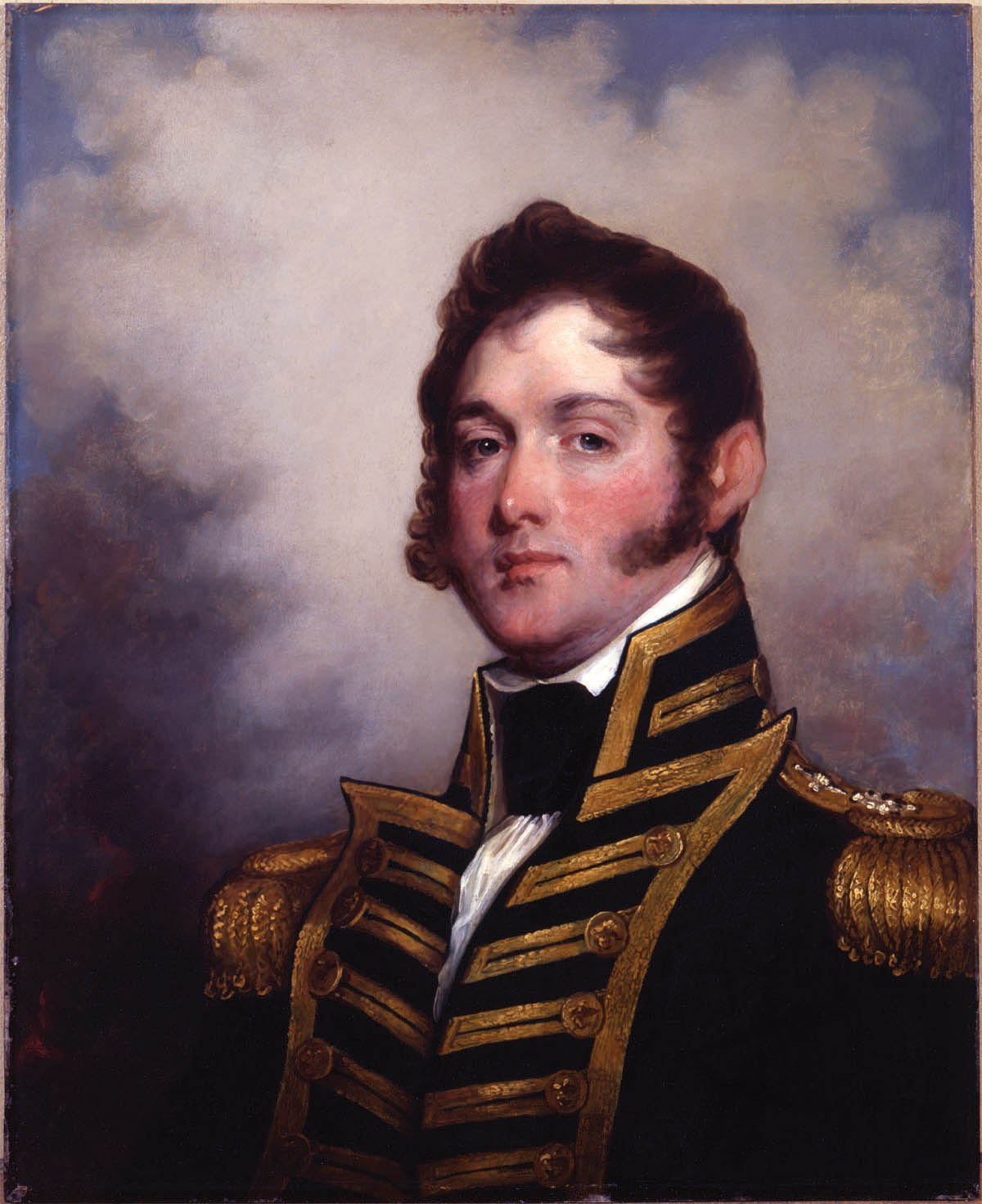
Oliver Hazard Perry built a fleet in a Pennsylvania wilderness and then used it. On September 10, 1813, off Put-in-Bay, he fought the British squadron that locked the upper lakes. His flagship Lawrence was shot to pieces…
James Lawrence took USS Hornet into the South Atlantic and, in February 1813, sank HMS Peacock in a fight that lasted minutes. The country needed that kind of news. In June he took Chesapeake out of Boston against HMS Sh…
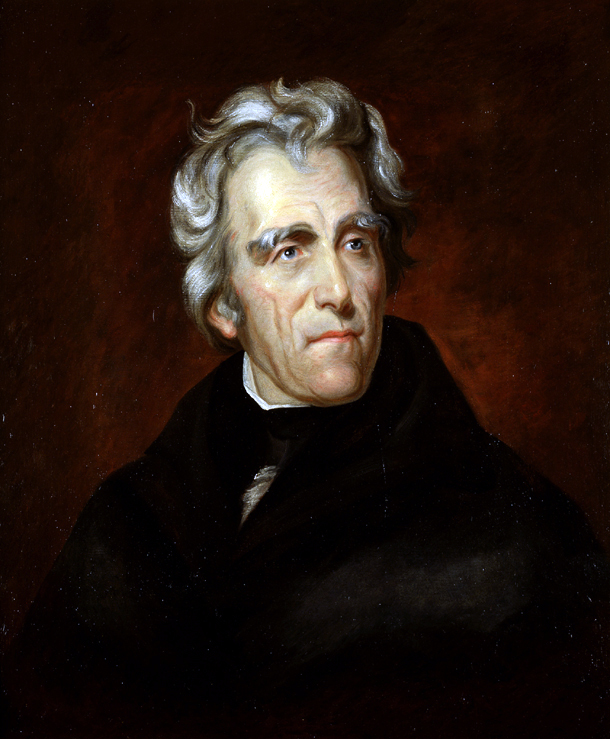
Andrew Jackson was already a hard man from the Waxhaws when the second British war reached the Gulf. He held the Creek campaign and then New Orleans. On January 8, 1815 — after the Treaty of Ghent had been signed, and be…
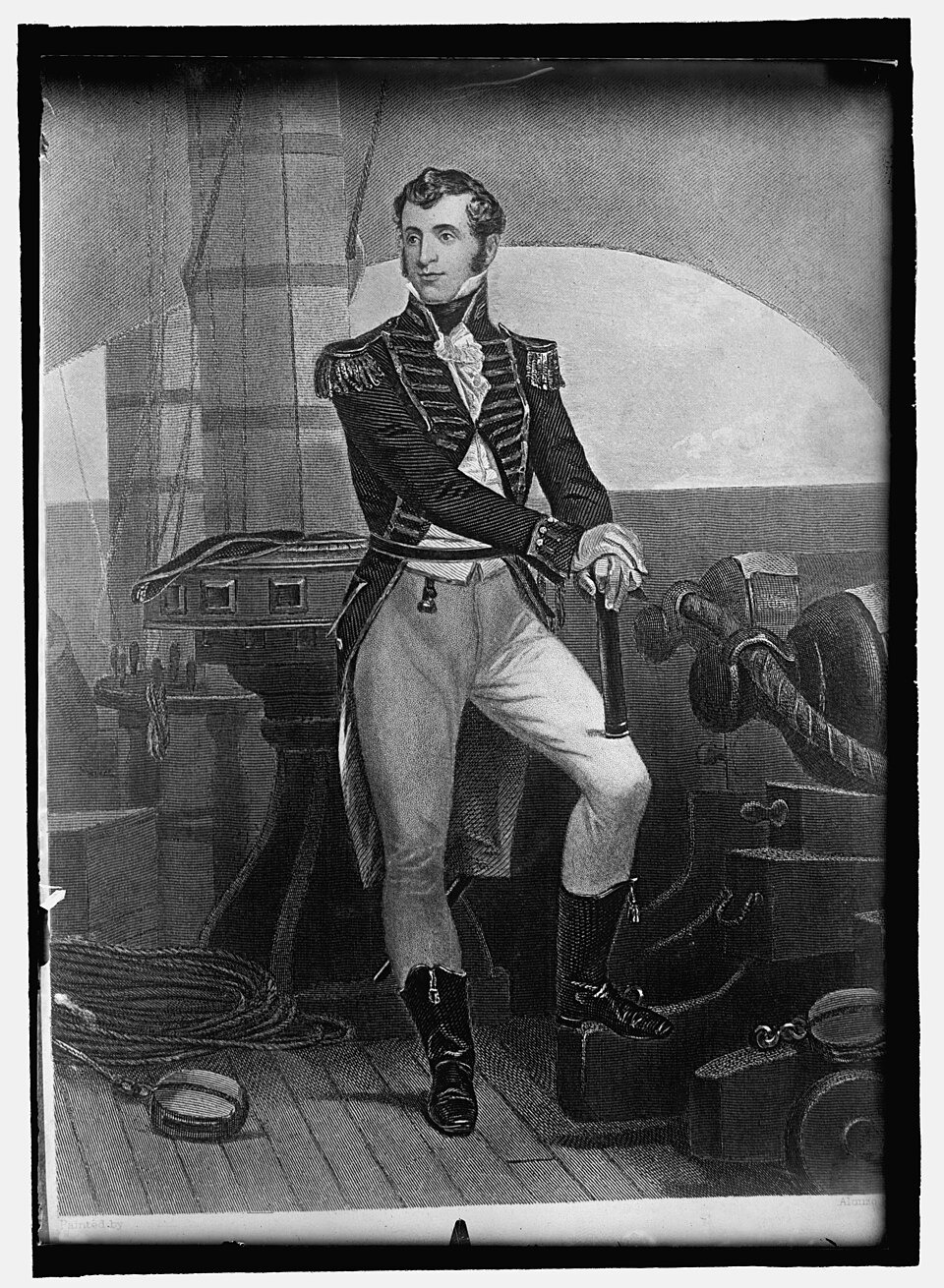
Stephen Decatur went to sea from a Maryland shore and made a name before the second British war gave him a larger stage. In the Barbary fighting he led the boats that burned the captured frigate Philadelphia under the gu…
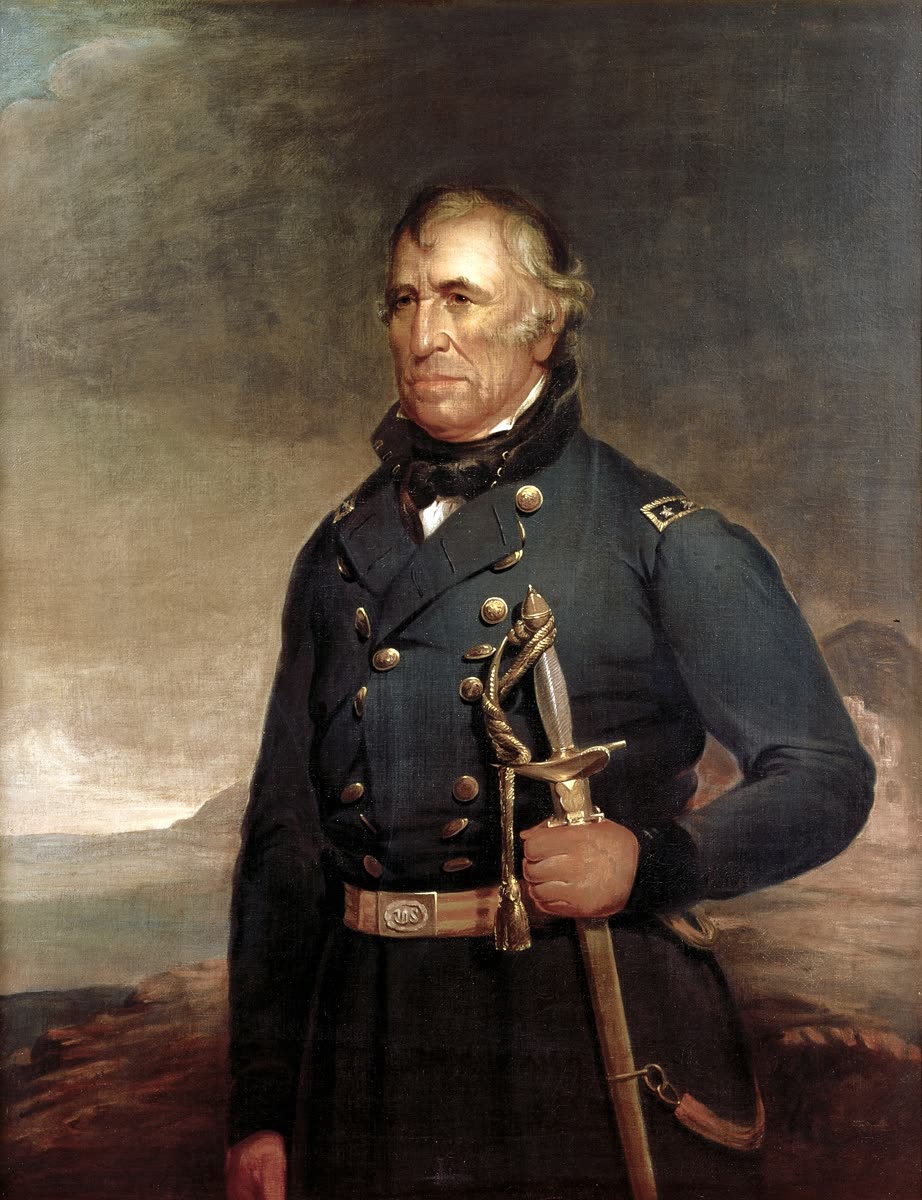
Zachary Taylor took a regular army to the Rio Grande and then refused to let a larger Mexican force talk him off a prairie. In May 1846, after the Thornton affair had already drawn blood, he met Mariano Arista at Palo Al…
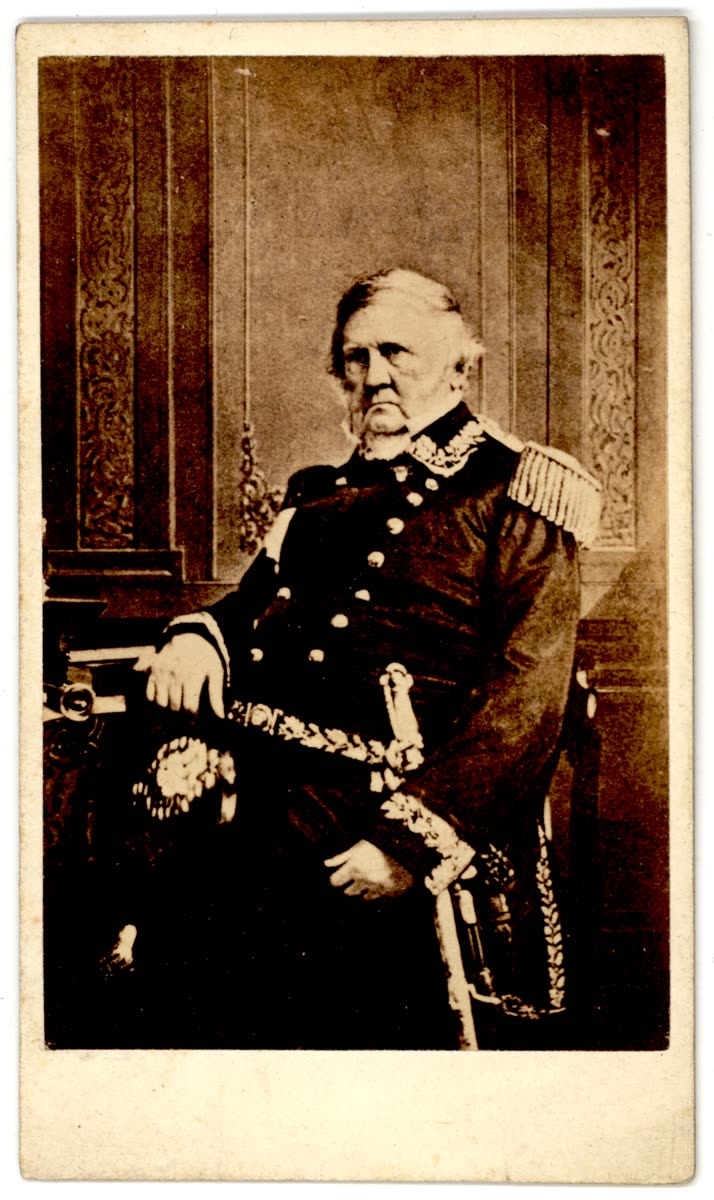
Winfield Scott took an army from a beach at Veracruz to the central square of Mexico City in six months and then had to govern what he had taken. He landed in March 1847, reduced the city after a siege, and turned inland…
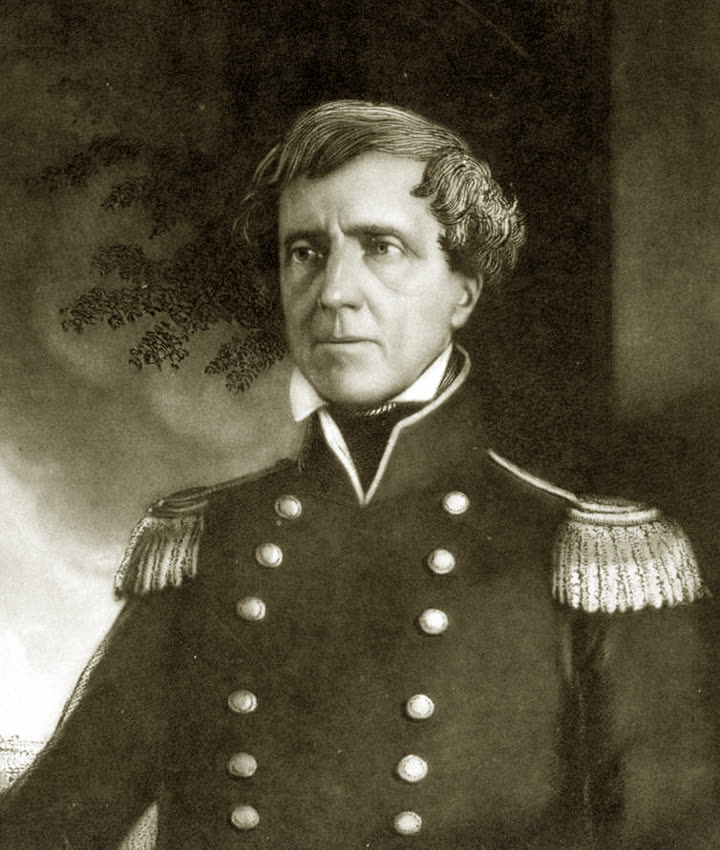
Stephen Watts Kearny walked an army from Fort Leavenworth to Santa Fe and took the town without a battle. He left in June 1846 with what the War Department called the Army of the West — dragoons, Missouri volunteers, and…
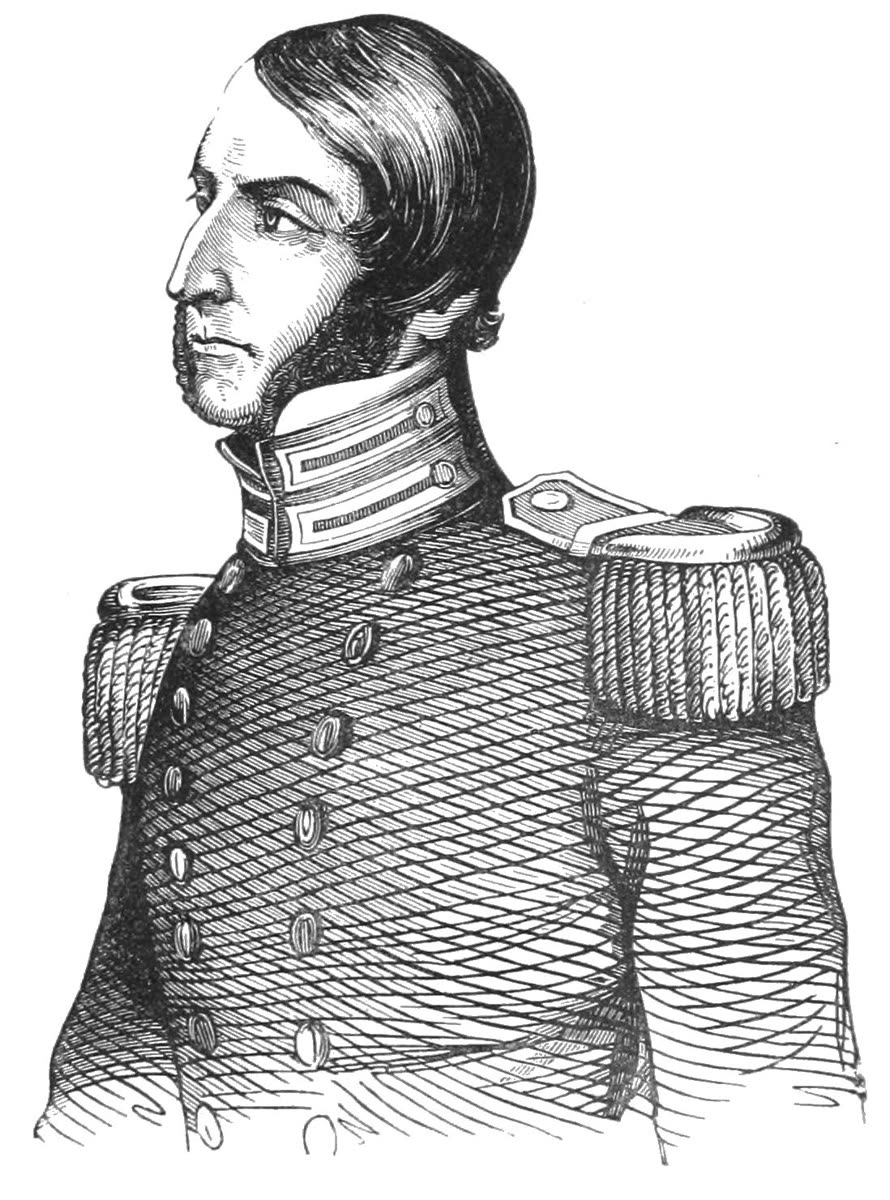
Samuel Ringgold was the first American officer the Mexican–American War killed, and the country made a song of it before the army had finished burying him. He was a Maryland artilleryman, West Point class of 1818, who sp…
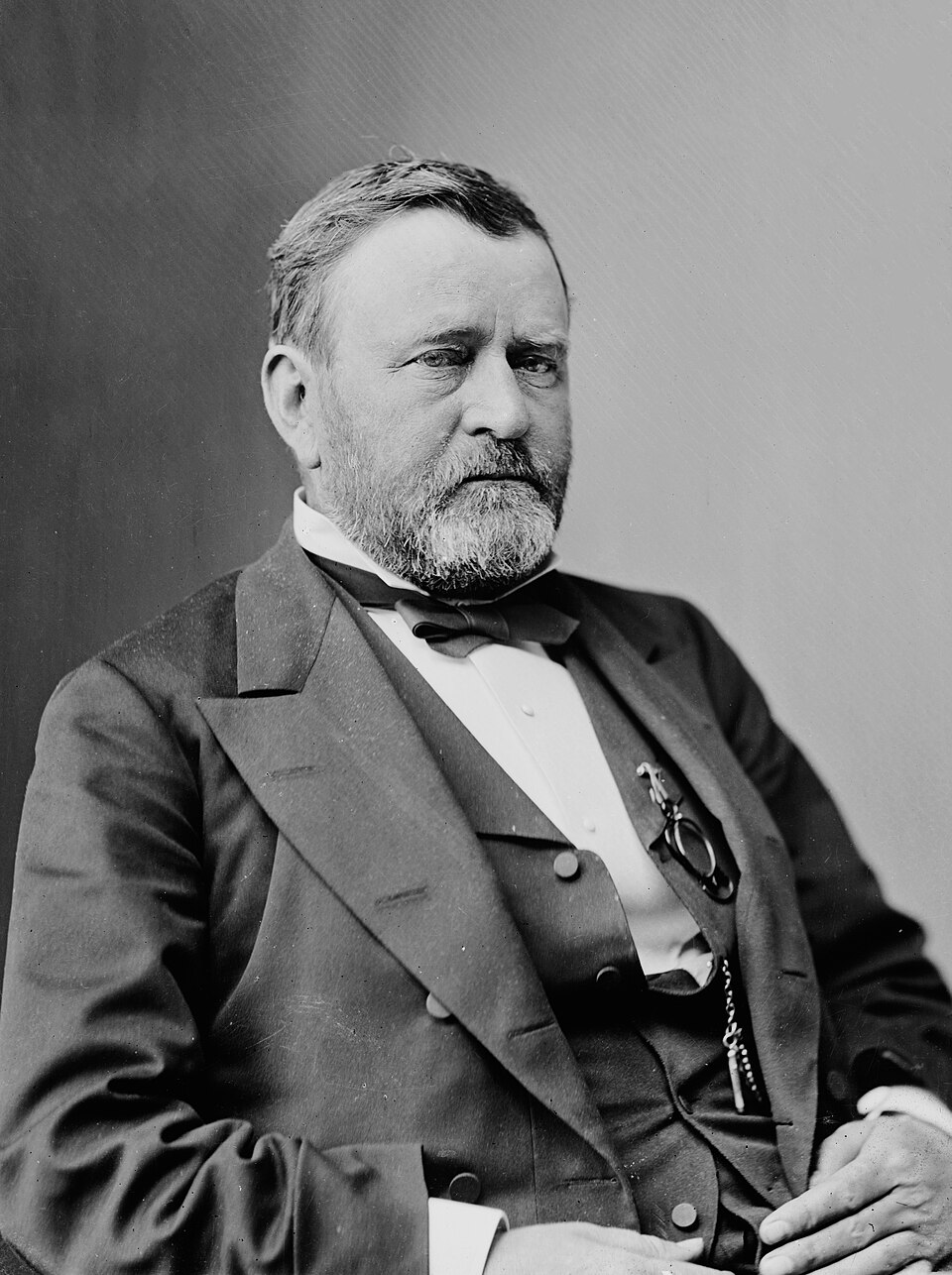
Ulysses S. Grant was a clerk in Galena when the Union needed officers who would move. He took Forts Henry and Donelson, held at Shiloh, opened the Mississippi at Vicksburg, and then came east to wear Lee down in a year o…
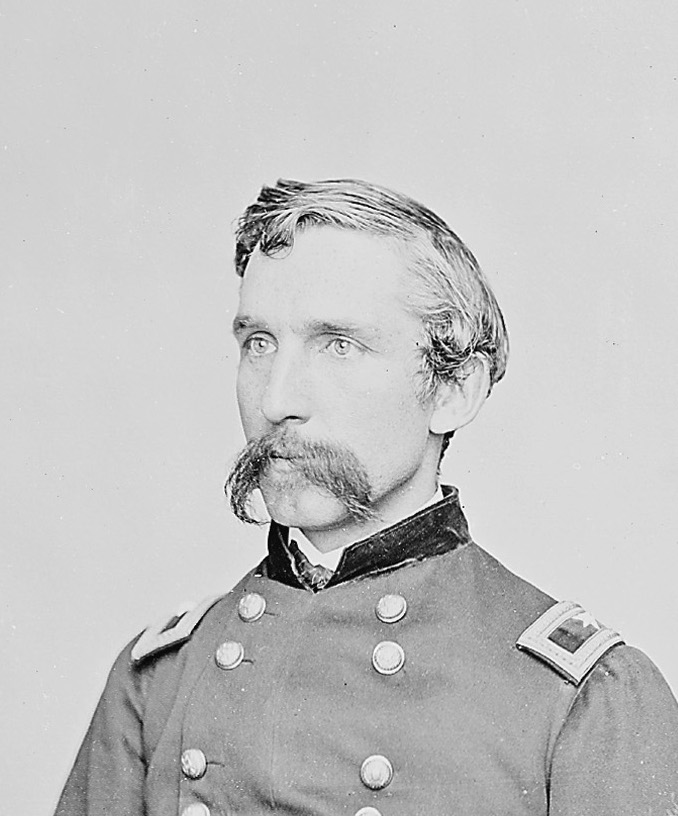
Joshua Lawrence Chamberlain was a Bowdoin professor of rhetoric who asked for a commission and received the 20th Maine. On July 2, 1863, that regiment held the south slope of Little Round Top when the left of the Union l…
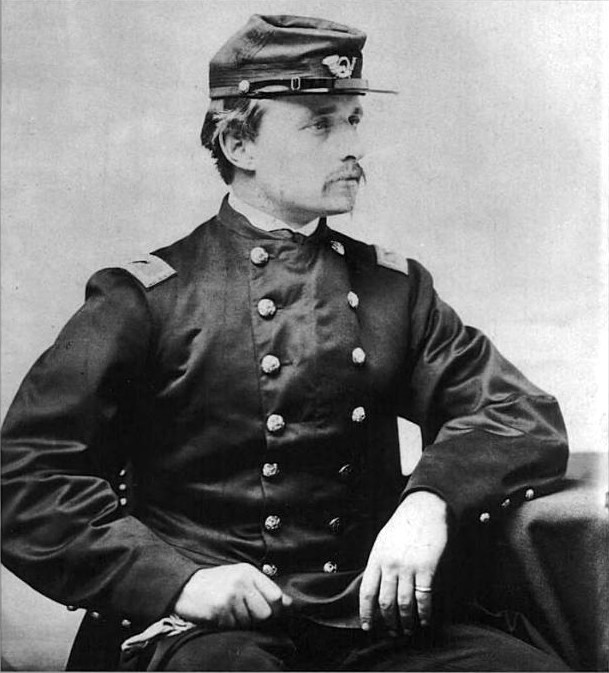
Robert Gould Shaw was a Boston officer from a family that already believed the war had to be about more than reunion. In 1863 he took command of the 54th Massachusetts, a regiment of Black soldiers whose existence was it…
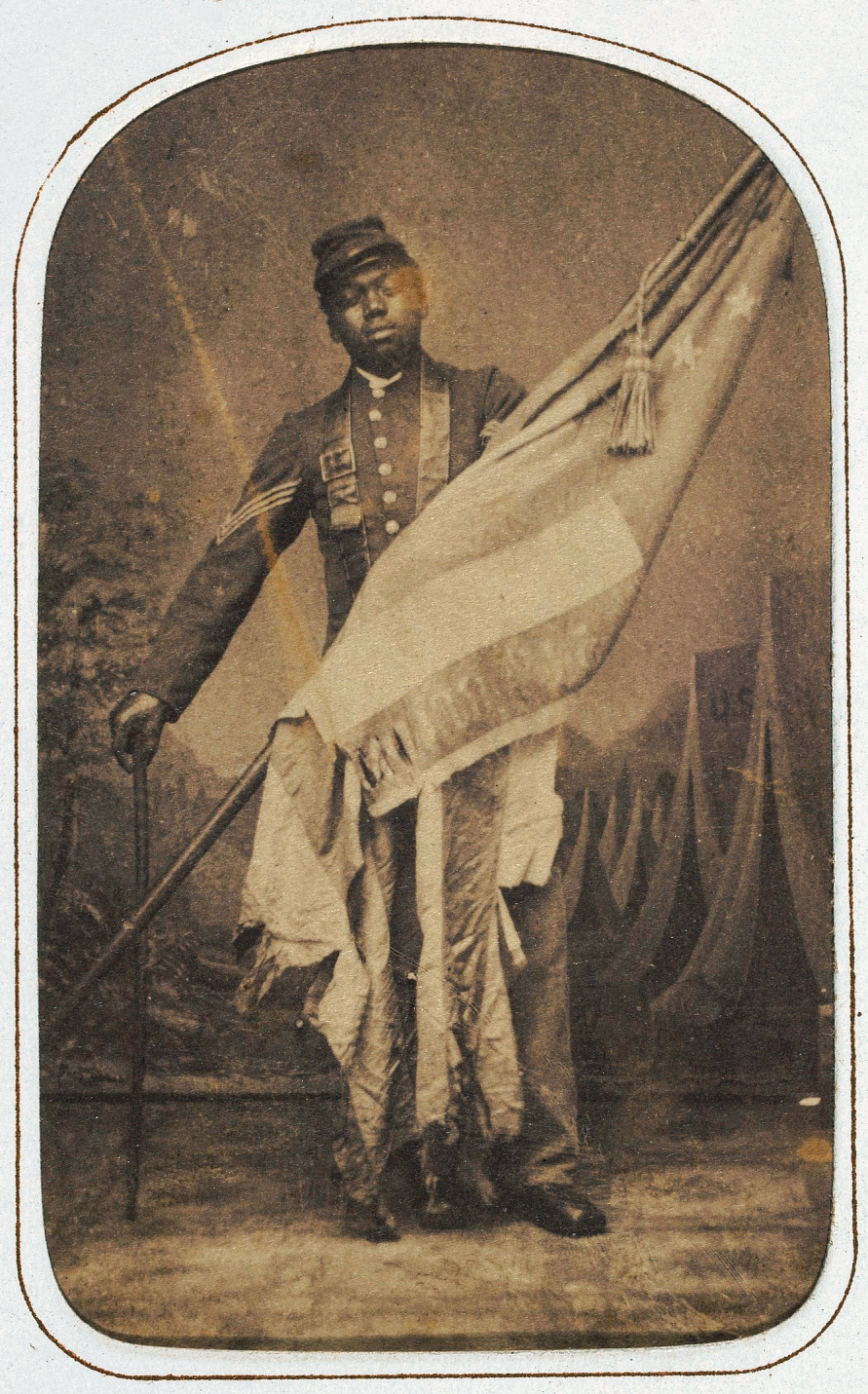
William H. Carney was born enslaved in Norfolk, Virginia, on February 29, 1840. He reached Massachusetts as a free man and enlisted in the 54th. At Fort Wagner, when the color sergeant went down, Carney took the national…
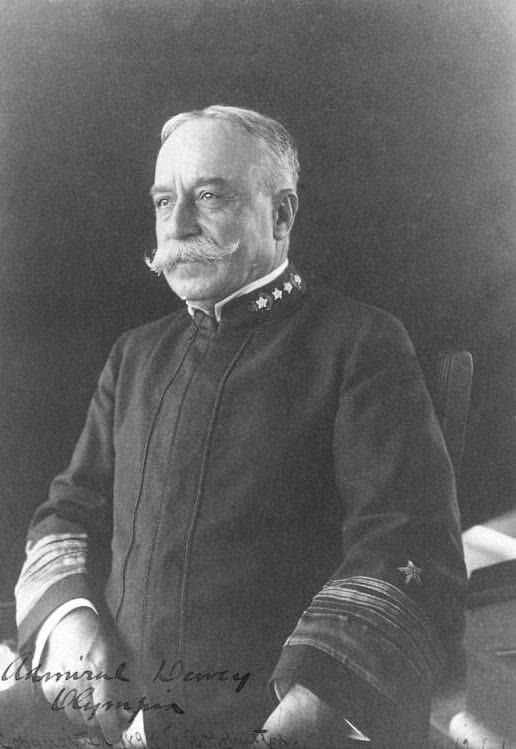
George Dewey took the Asiatic Squadron into Manila Bay before dawn on May 1, 1898, and ended the Spanish Pacific squadron before the country had finished reading the war declaration. He was a commodore then, flying his f…
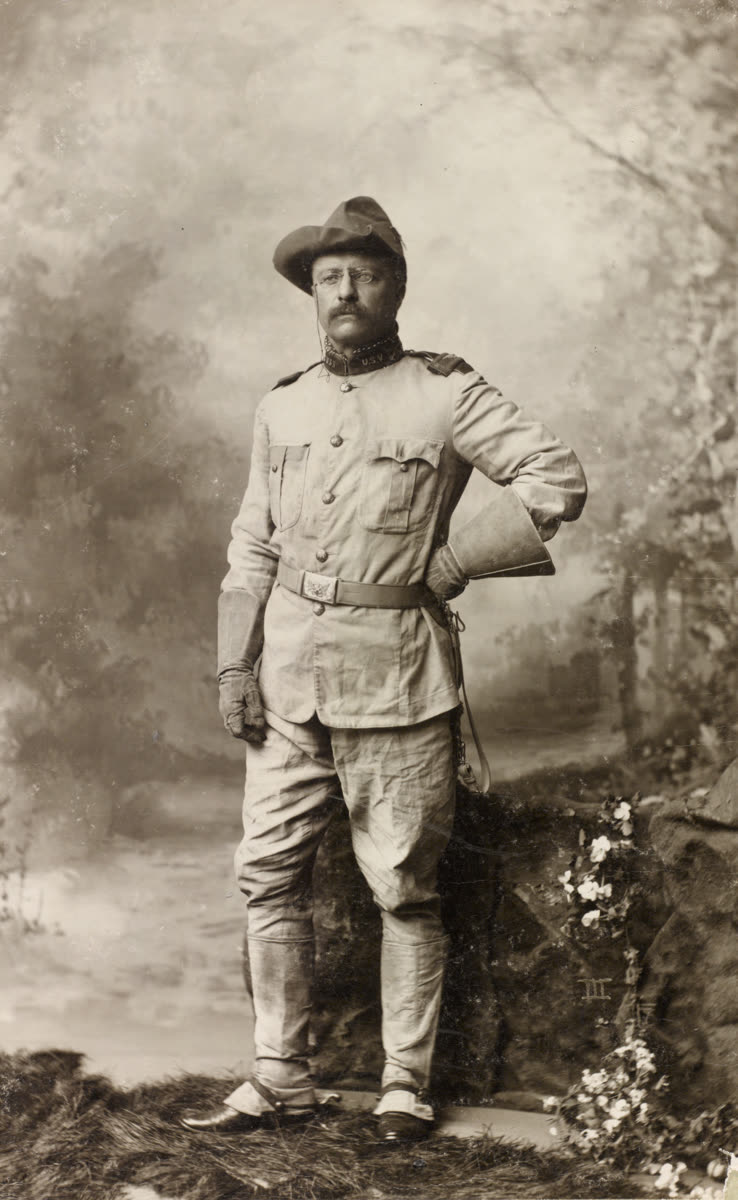
Theodore Roosevelt resigned as Assistant Secretary of the Navy so he could take a volunteer regiment to Cuba. Leonard Wood commanded the 1st U.S. Volunteer Cavalry. Roosevelt was the lieutenant colonel the newspapers alr…
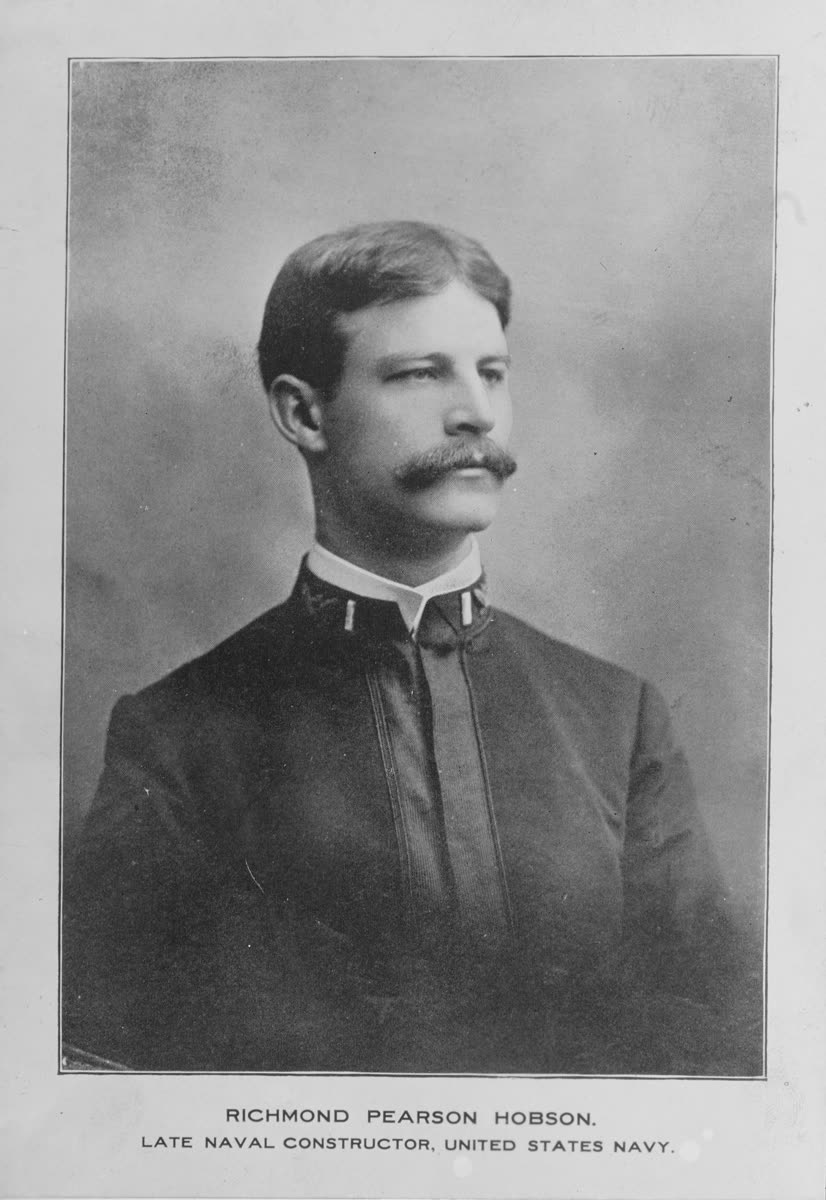
Richmond Pearson Hobson tried to cork Santiago harbor with a collier and a volunteer crew. On the night of June 3, 1898, he took USS Merrimac in under the Spanish batteries to sink her across the channel that held Pascua…
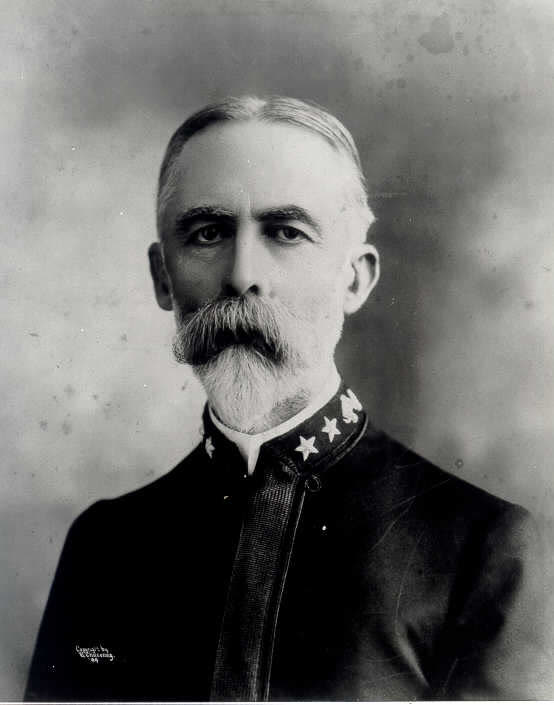
William Thomas Sampson commanded the North Atlantic Squadron that locked Cervera into Santiago and then missed the hour the Spanish came out. He was ashore on July 3, 1898, conferring with General Shafter, when the Spani…
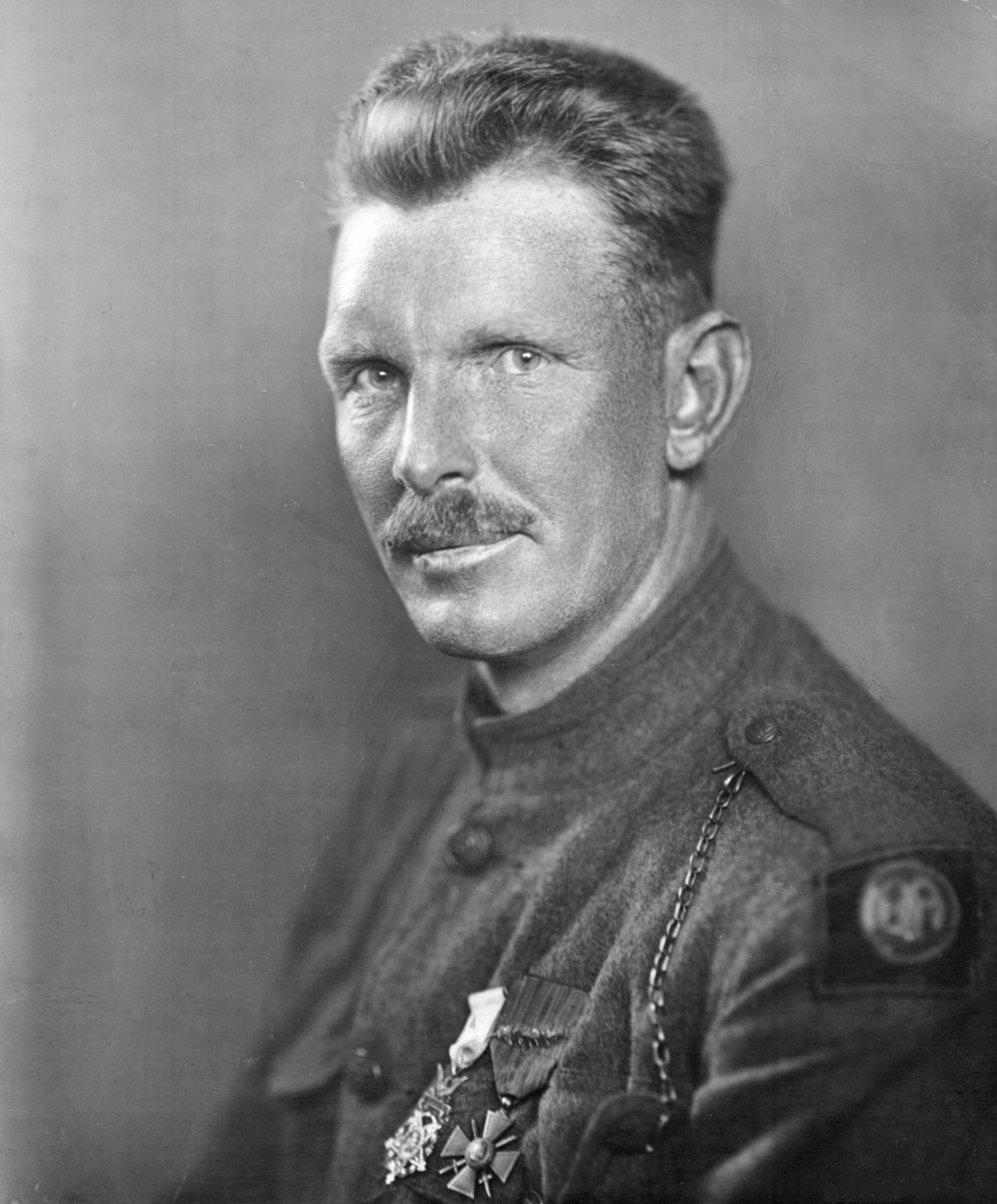
Alvin Cullum York was a Fentress County farmer and a man of a church that did not love killing when the draft found him. He went anyway. On October 8, 1918, in the Argonne, his patrol was cut up. York, then a corporal, w…
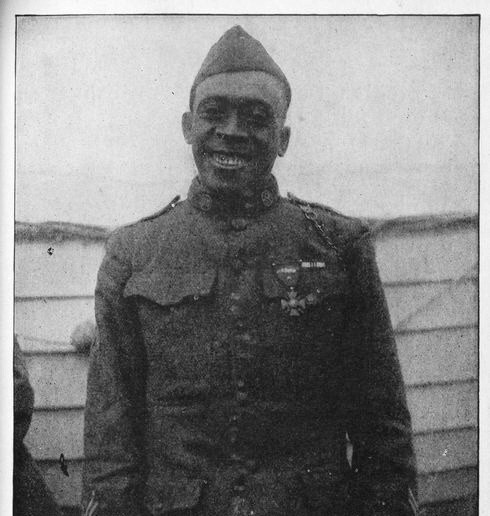
Henry Johnson — William Henry Johnson on some papers — was born in Winston-Salem and worked as a redcap in Albany when he enlisted in the 15th New York, later the 369th Infantry. The regiment served under French command …
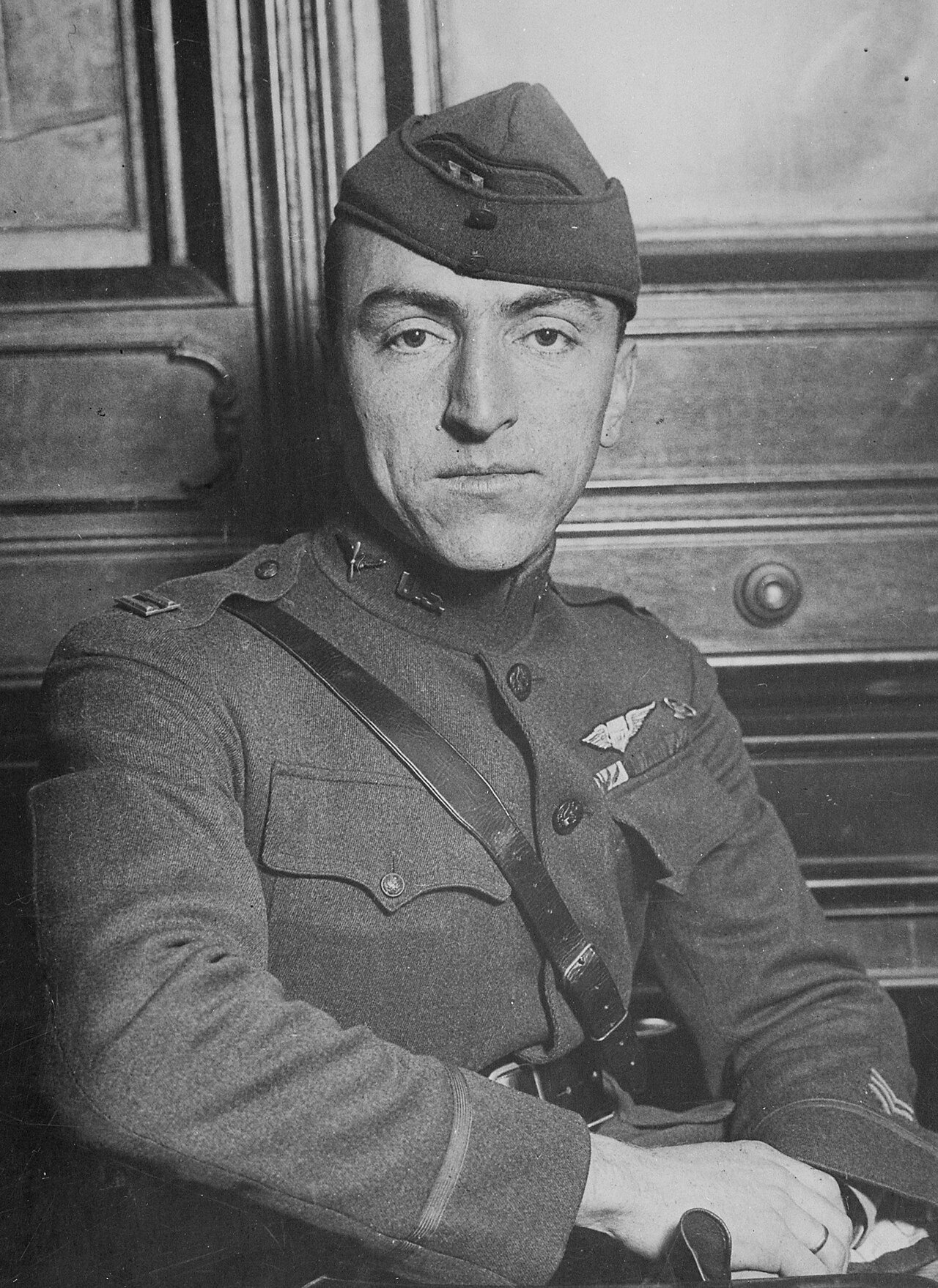
Eddie Rickenbacker came to the war from the race track, not from a military academy. He drove cars for a living in Columbus and then learned to fly. By the end of 1918 he commanded the 94th Aero Squadron with twenty-six …
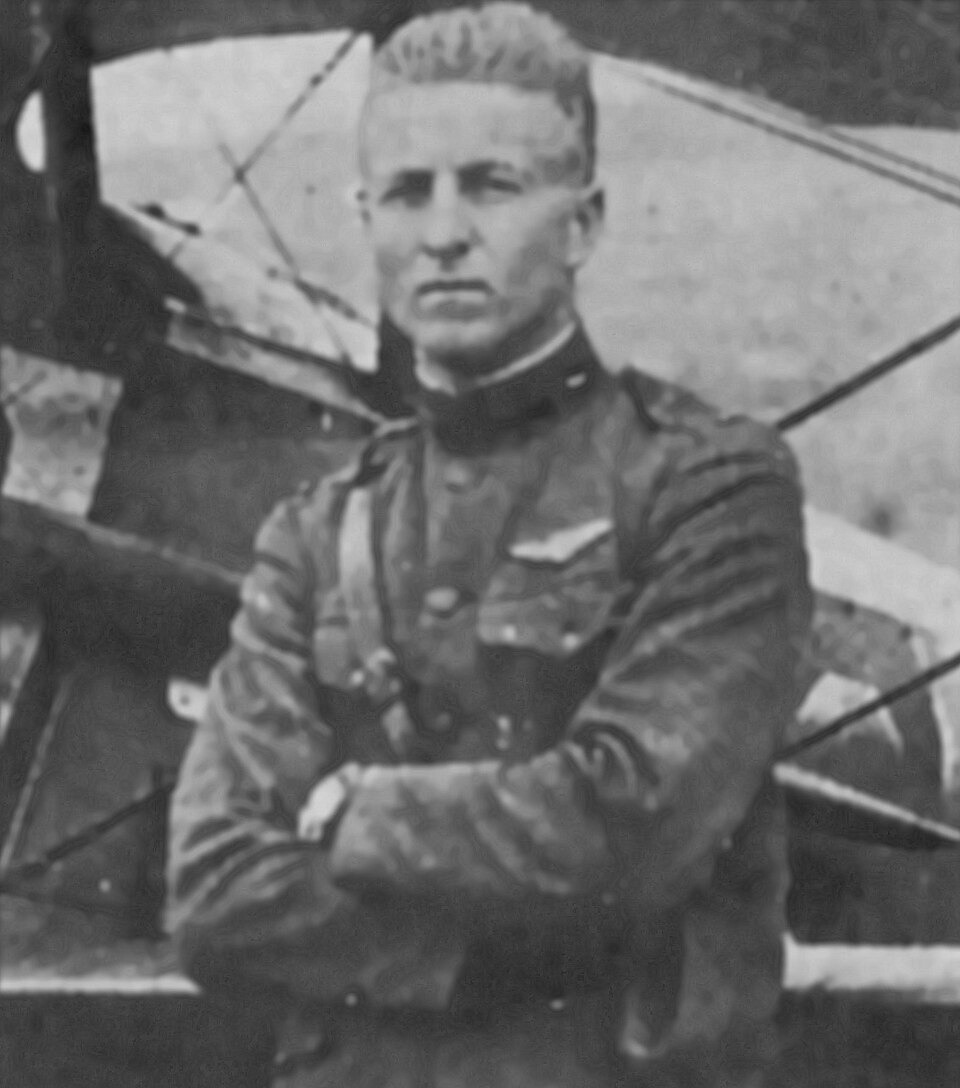
Frank Luke Jr. flew a short war and a hard specialty. Observation balloons were defended, valuable, and hated. Luke went after them with the 27th Aero Squadron in September 1918, in the weeks after St. Mihiel and into th…
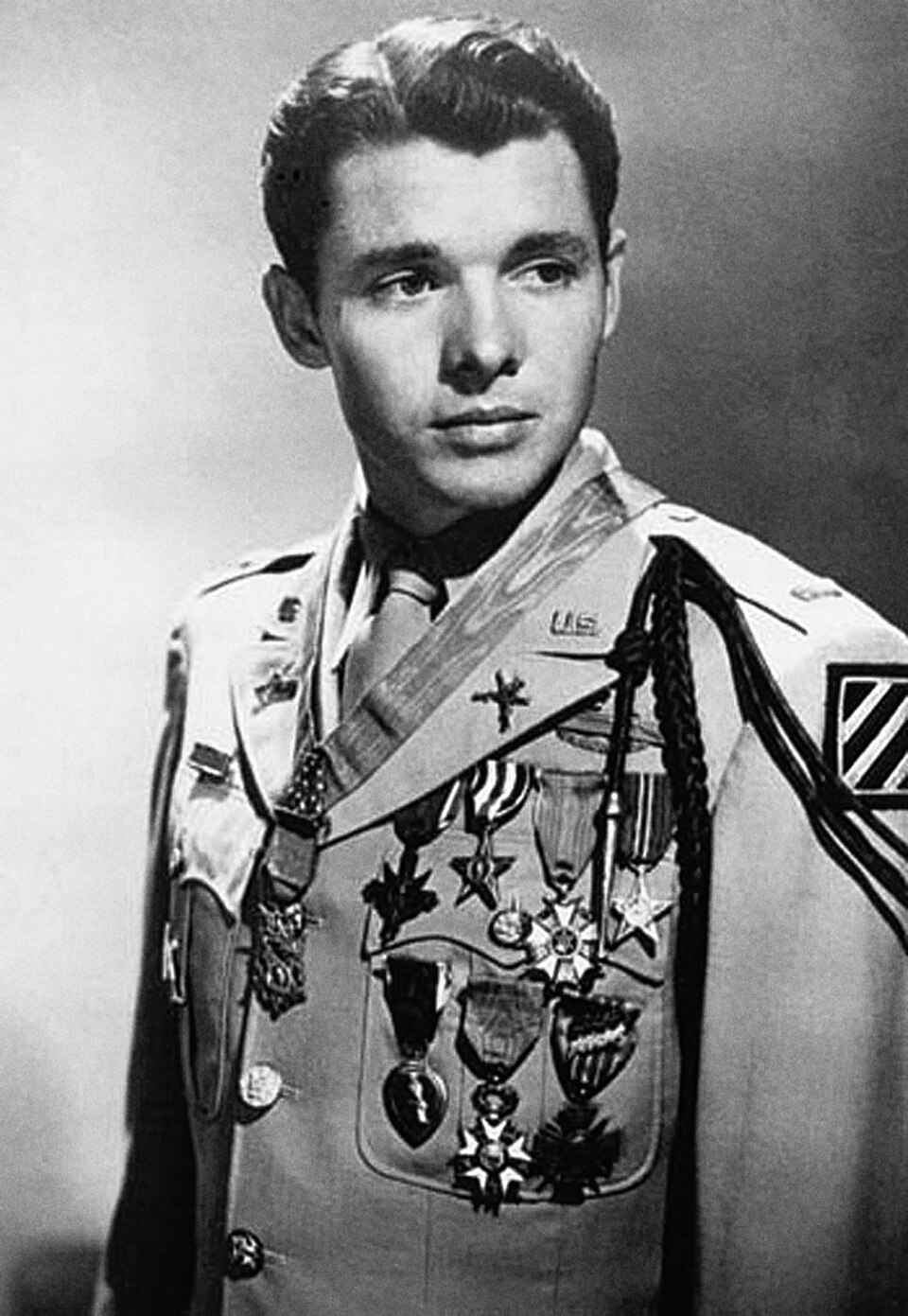
Audie Leon Murphy left a Hunt County sharecropper's childhood for the infantry and became, by the army's own count, the most decorated American soldier of the Second World War. The Medal of Honor action was January 26, 1…
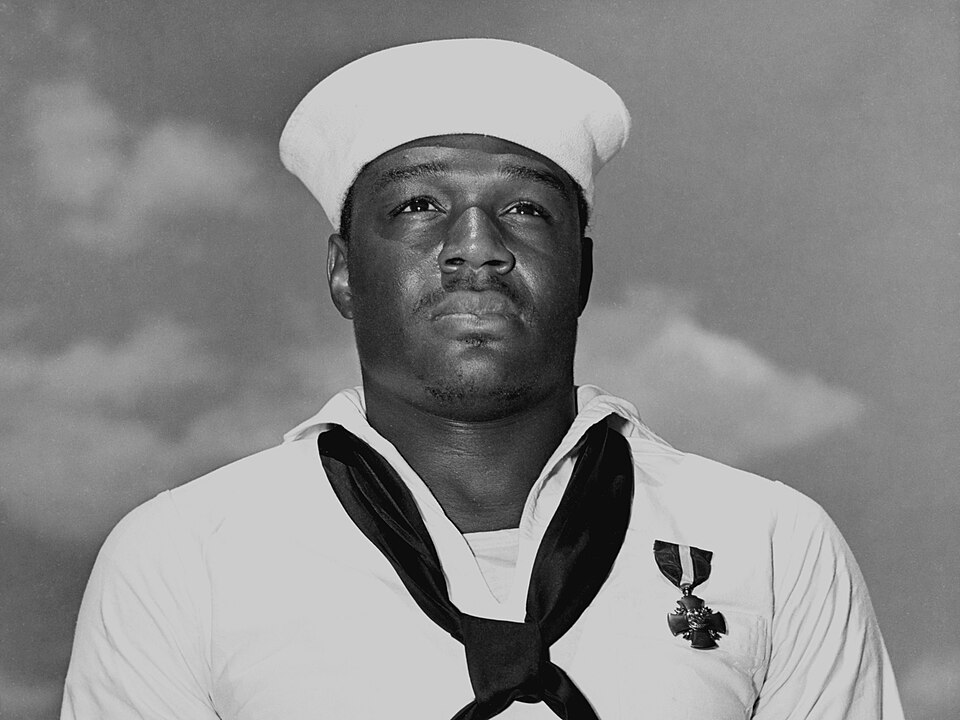
Doris Miller — Dorie to the navy that learned his name late — was a Waco mess attendant on USS West Virginia because the service still assigned Black sailors to the mess. On December 7, 1941, he carried wounded men, incl…
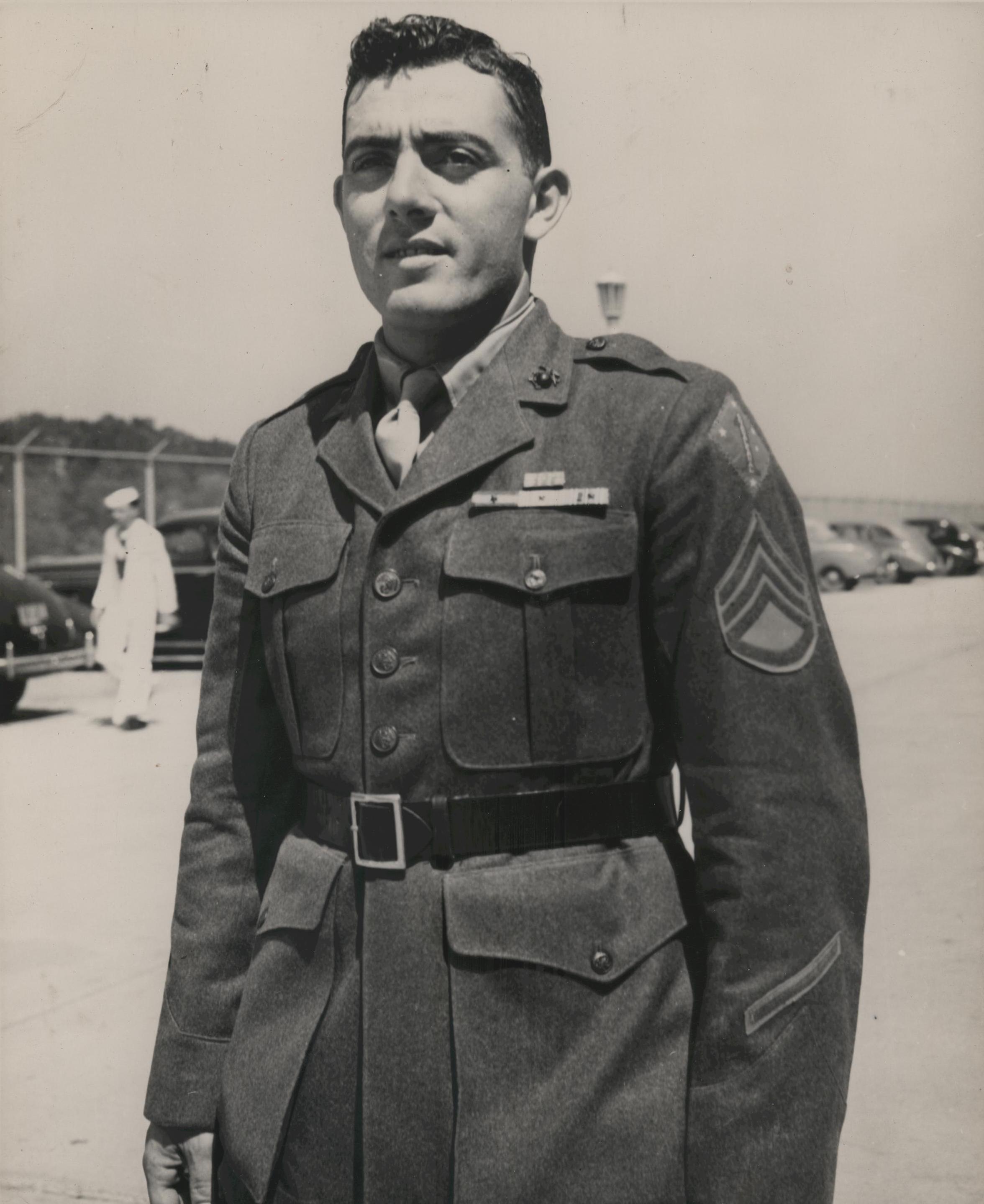
John Basilone held a section of the line on Guadalcanal in October 1942 with two machine guns, a few Marines, and a night that did not end on schedule. The Medal of Honor citation describes the repair of guns under fire …
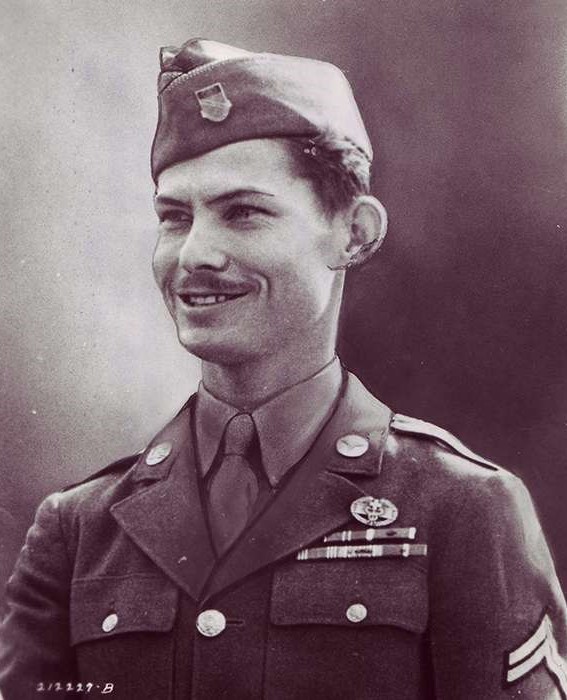
Desmond Thomas Doss was a Seventh-day Adventist from Lynchburg who would not carry a rifle and would not leave the infantry. The army called him a conscientious objector and then a medic. On Okinawa, in May 1945, on the …
1920–unaccounted for since February 10, 1952 · Lieutenant Colonel (promoted while missing)
George Andrew Davis Jr. was a Dublin, Texas, fighter pilot who had already made ace in the Southwest Pacific when the Air Force sent him to Korea. He flew the F-86 from Kimpo with the 334th Fighter-Interceptor Squadron. …
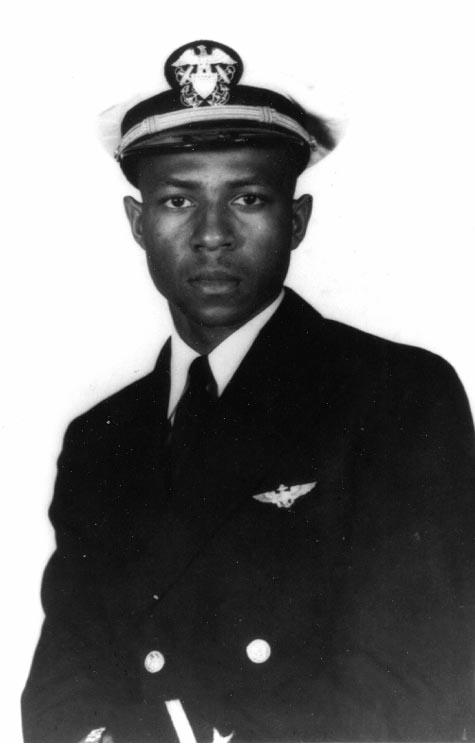
Jesse LeRoy Brown left Hattiesburg for a Navy that had not planned on a Black aviator and then had one anyway. He completed flight training in 1948 and went to sea with Fighter Squadron 32. In the winter of 1950 he flew …
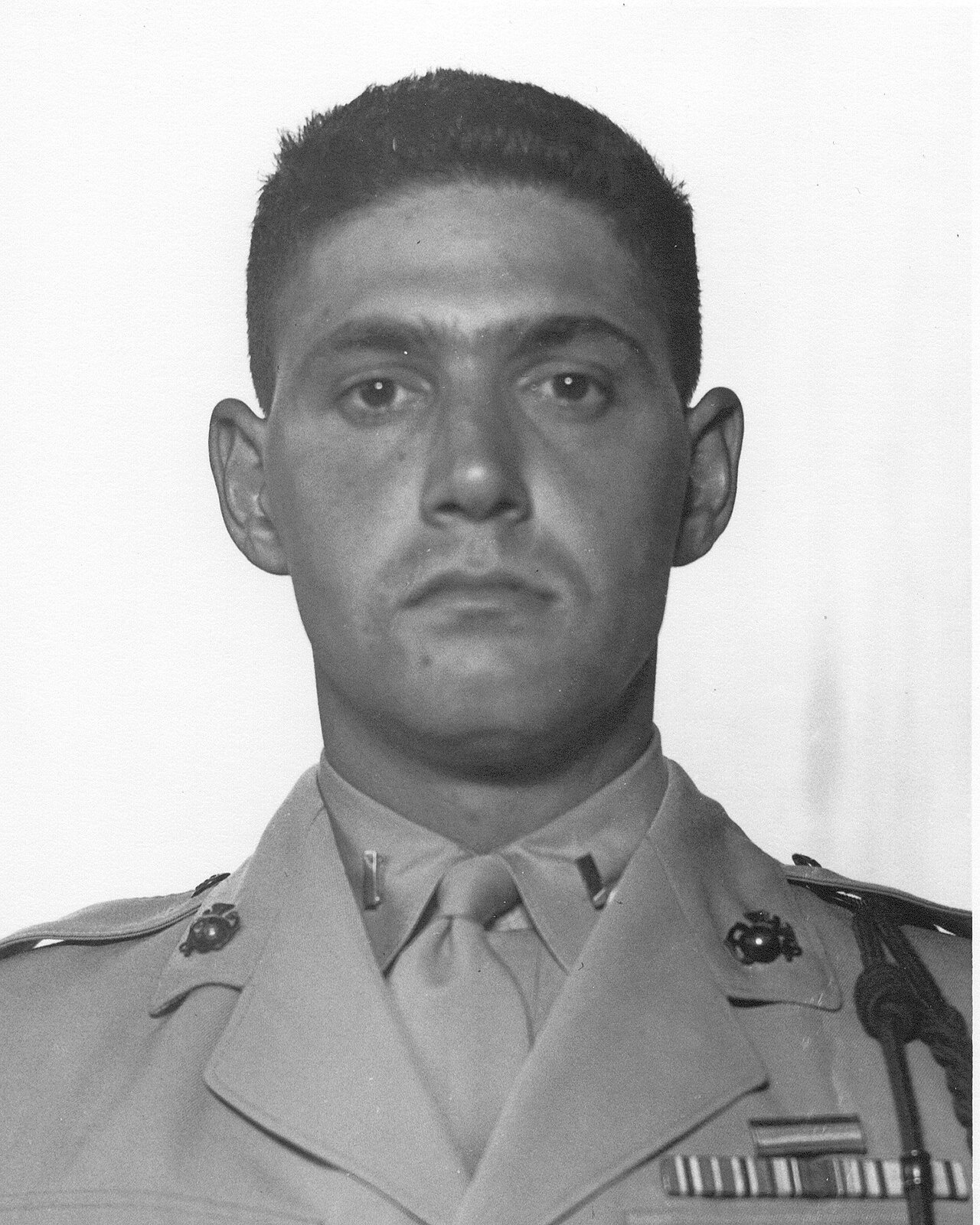
Baldomero López was a Tampa Marine who went over the seawall at Inchon on September 15, 1950, leading a rifle platoon of Company A, 1st Battalion, 5th Marines. Contemporary photographs show him climbing with a pistol and…
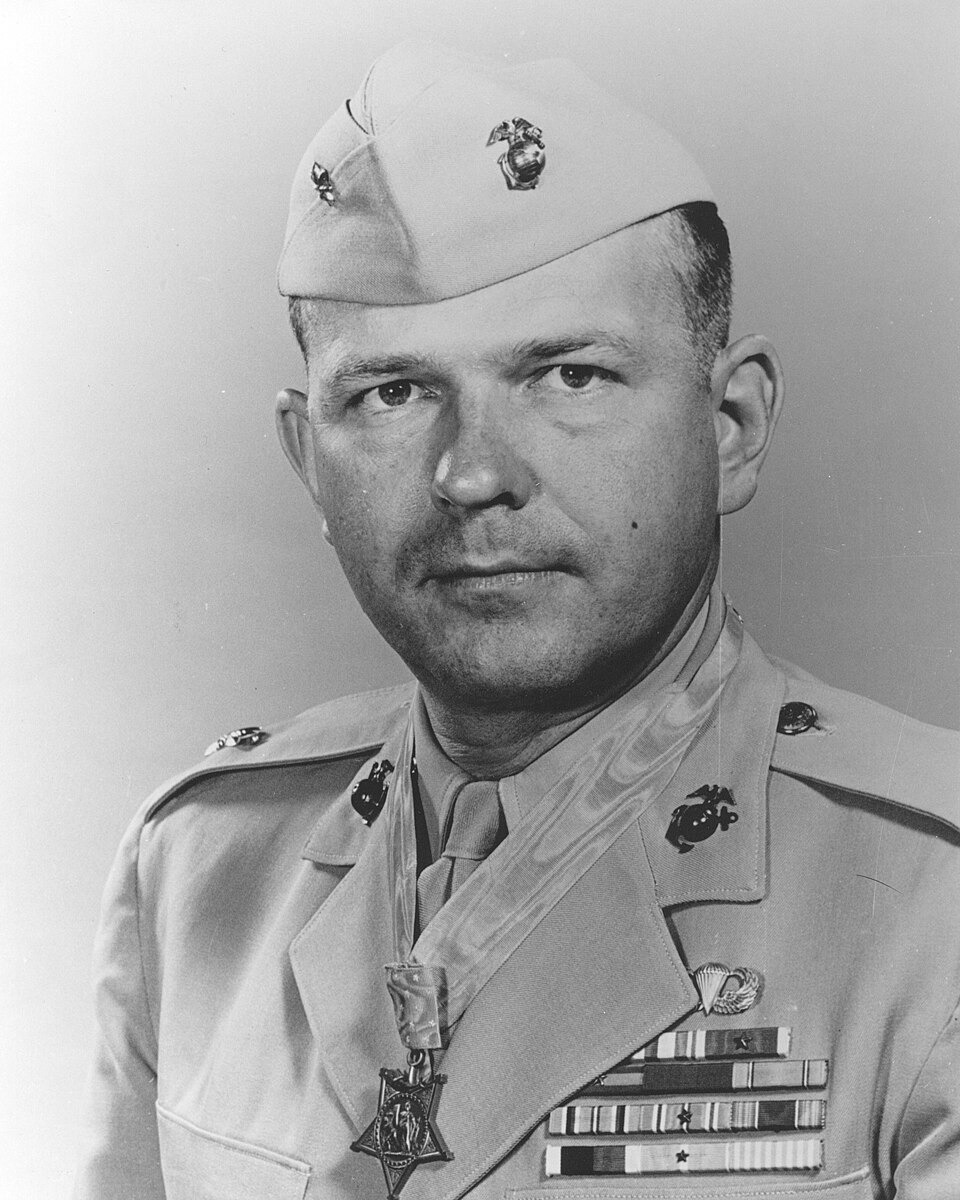
William Earl Barber held a frozen hill when the Chosin campaign was coming apart. In late November 1950, as a captain of Company F, 2nd Battalion, 7th Marines, he was ordered to hold Toktong Pass — Fox Hill — so the divi…
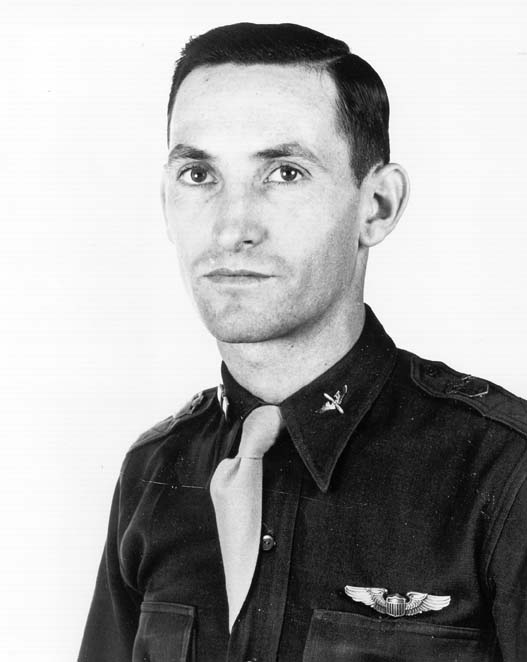
1932–unaccounted for since April 29, 1965 · Colonel (promoted while missing)
Charles Ervin Shelton left Utica, Kentucky, for the Air Force and a reconnaissance cockpit. On April 29, 1965 — his thirty-third birthday — he flew an RF-101C Voodoo from Udorn, Thailand, on a photo run over northern Lao…
1937–executed September 26, 1965; remains not recovered · Captain
Humbert Roque Versace — Rocky to the Army that sent him to the Delta — was born in Honolulu on July 2, 1937, and commissioned from West Point in 1959. In 1963 he was an intelligence adviser with a Civilian Irregular Defe…
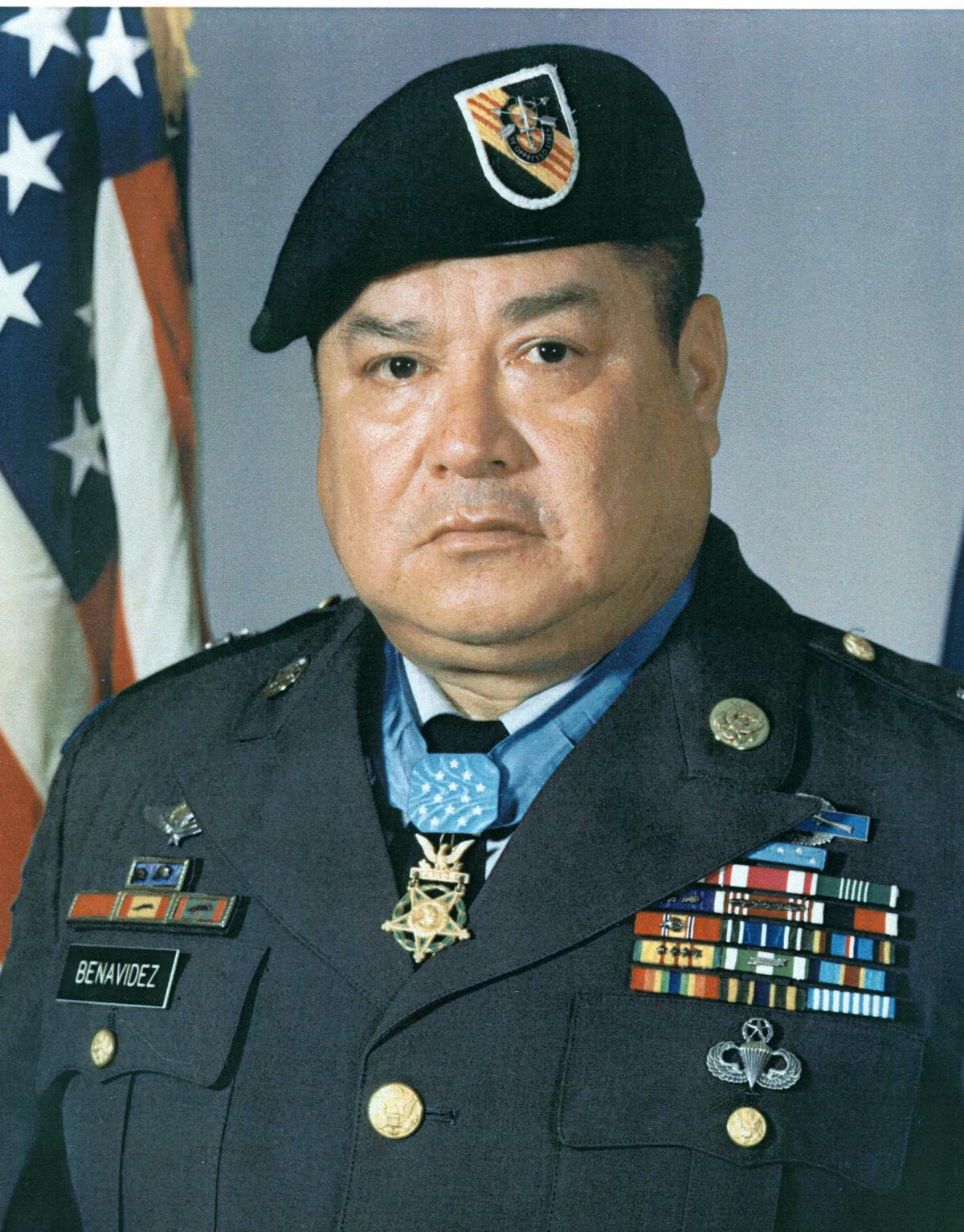
Roy P. Benavidez went into a clearing west of Loc Ninh on May 2, 1968, because a Special Forces reconnaissance team was surrounded and dying. He was a staff sergeant then with Detachment B-56, 5th Special Forces Group. H…
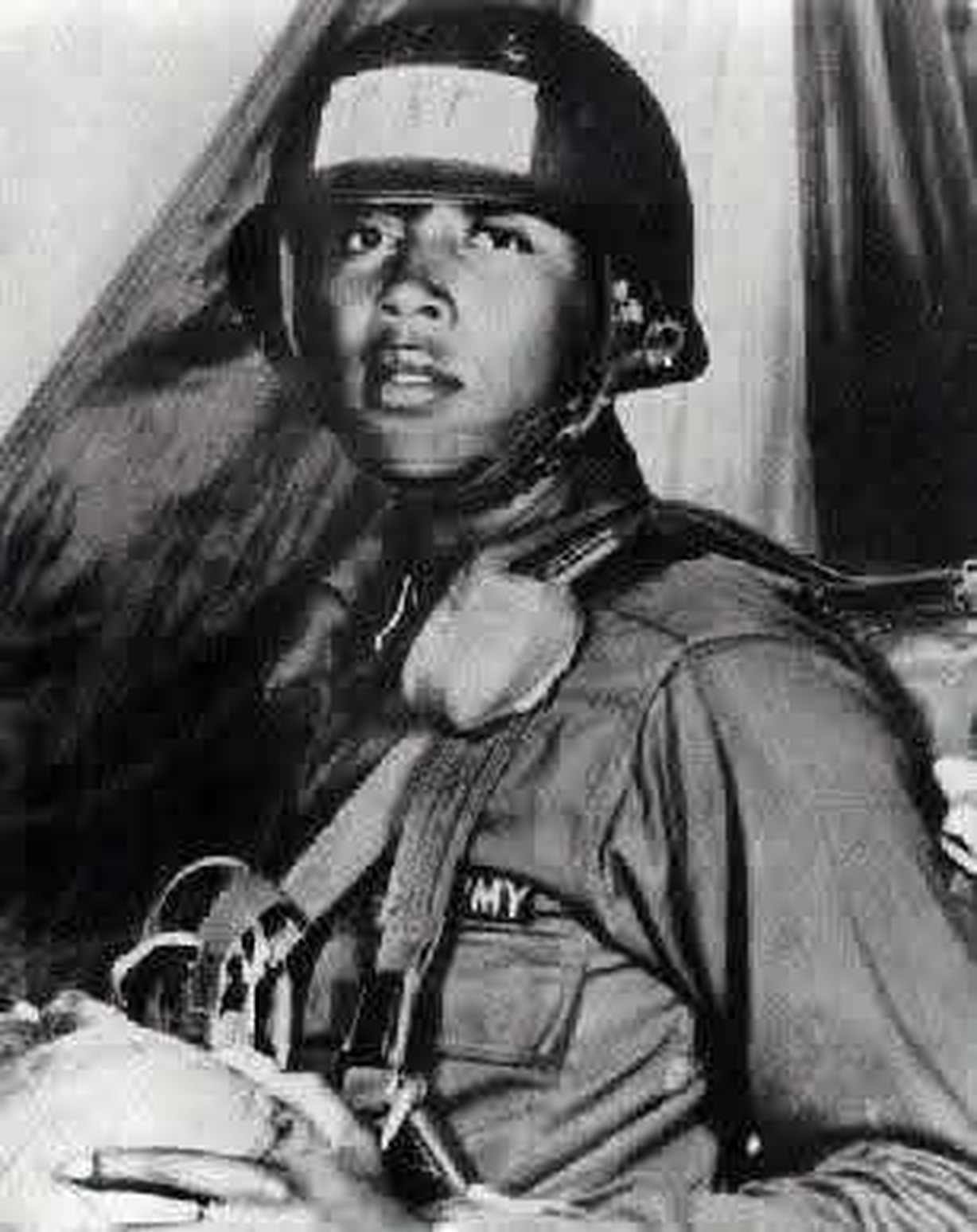
Milton Lee Olive III was nineteen when a grenade landed among his squad near Phu Cuong on October 22, 1965. He was a private first class in Company B, 2nd Battalion (Airborne), 503rd Infantry, 173rd Airborne Brigade. The…
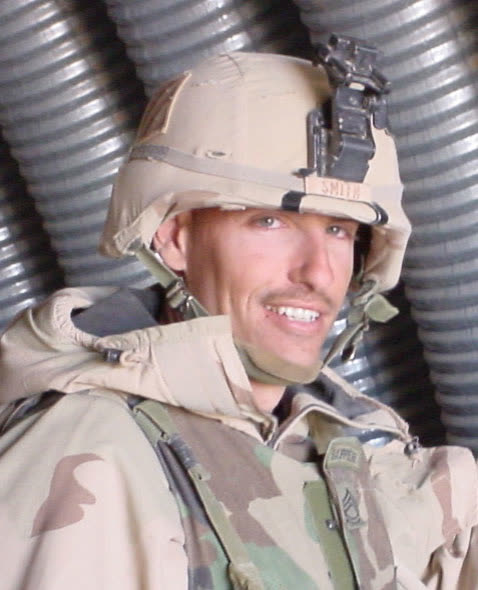
Paul Ray Smith was killed on April 4, 2003, holding a piece of ground beside Baghdad International Airport that a company-sized Iraqi force meant to take. He was a sergeant first class of engineers — B Company, 11th Engi…
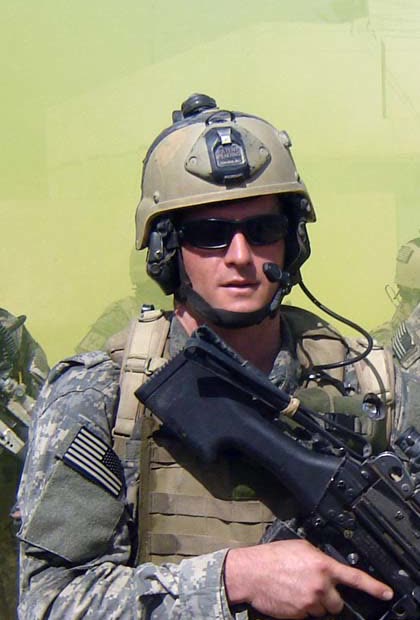
Michael Anthony Monsoor was killed on a Ramadi rooftop on September 29, 2006, when he put his body on a grenade that had bounced off his chest. He was a master-at-arms second class, a SEAL of Team 3, automatic-weapons gu…
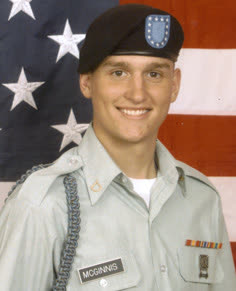
Ross Andrew McGinnis was killed in an up-armored Humvee in Adhamiyah, northeast Baghdad, on December 4, 2006, when he covered a fragmentation grenade that had come through the gunner's hatch. He was a private first class…
Jason L. Dunham was a Marine corporal from Scio, New York, with Company K, 3rd Battalion, 7th Marines, when a fight near Karabilah on April 14, 2004, put an enemy grenade among his men. He covered it with his helmet and …