The Union preserved, and the dead counted in hundreds of thousands. This roll includes Grant, Chamberlain, Shaw, Carney, Robert Smalls, and Farragut. More Union and United States Colored Troops entries will follow from the public record.
American War Heroes is a publisher-curated historical register. Notice Nearby writes these entries from documented public records. Checkout does not add a name to a war roll, and we do not issue Heroes badges, MIA labels, or a “verified veteran” mark.
A paid Community memorial may mention military service in the family’s own words. That mention stays on the obituary. It is not verification, and it does not enroll anyone on these lists. Claiming service that was not given is stolen valor. It is disrespectful to those who served.
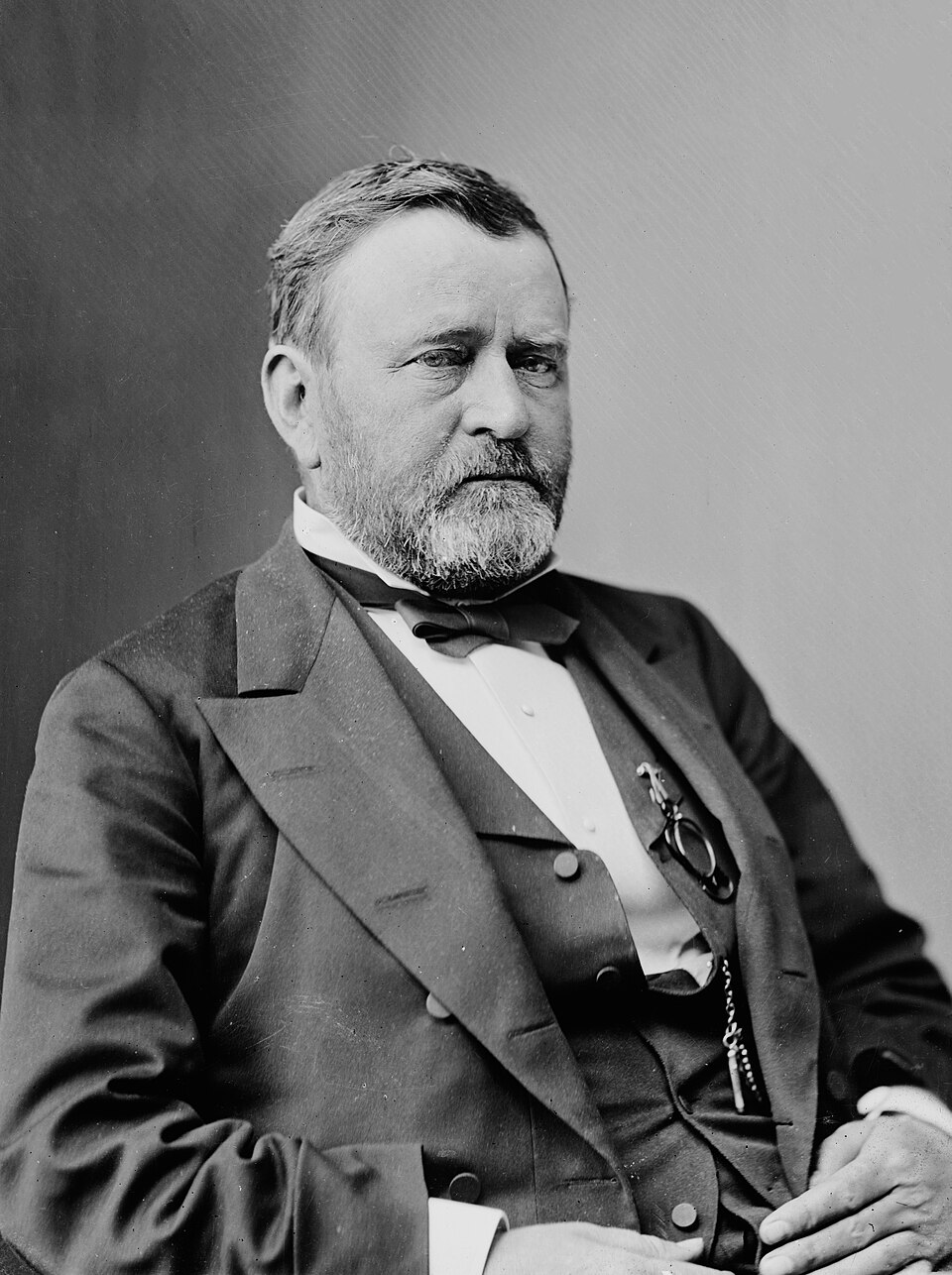
Ulysses S. Grant was a clerk in Galena when the Union needed officers who would move. He took Forts Henry and Donelson, held at Shiloh, opened the Mississippi at Vicksburg, and then came east to wear Lee down in a year o…
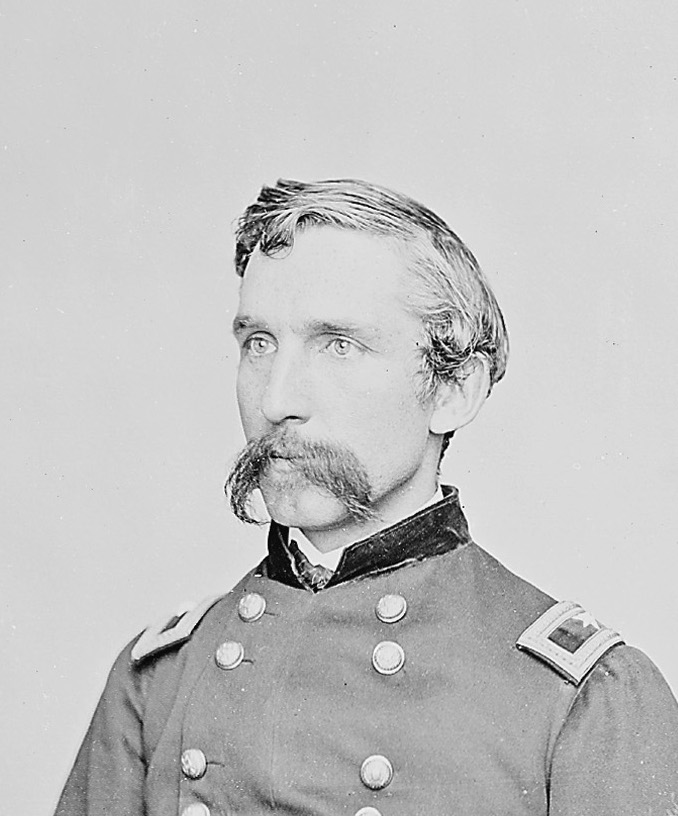
Joshua Lawrence Chamberlain was a Bowdoin professor of rhetoric who asked for a commission and received the 20th Maine. On July 2, 1863, that regiment held the south slope of Little Round Top when the left of the Union l…
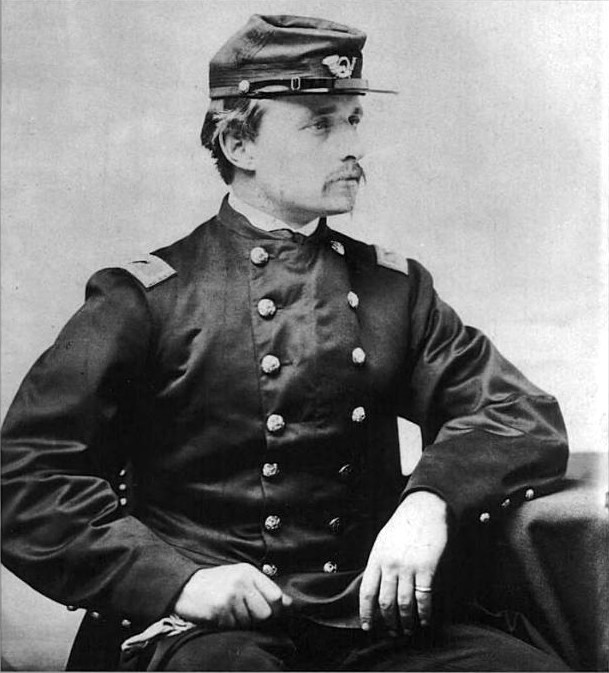
Robert Gould Shaw was a Boston officer from a family that already believed the war had to be about more than reunion. In 1863 he took command of the 54th Massachusetts, a regiment of Black soldiers whose existence was it…
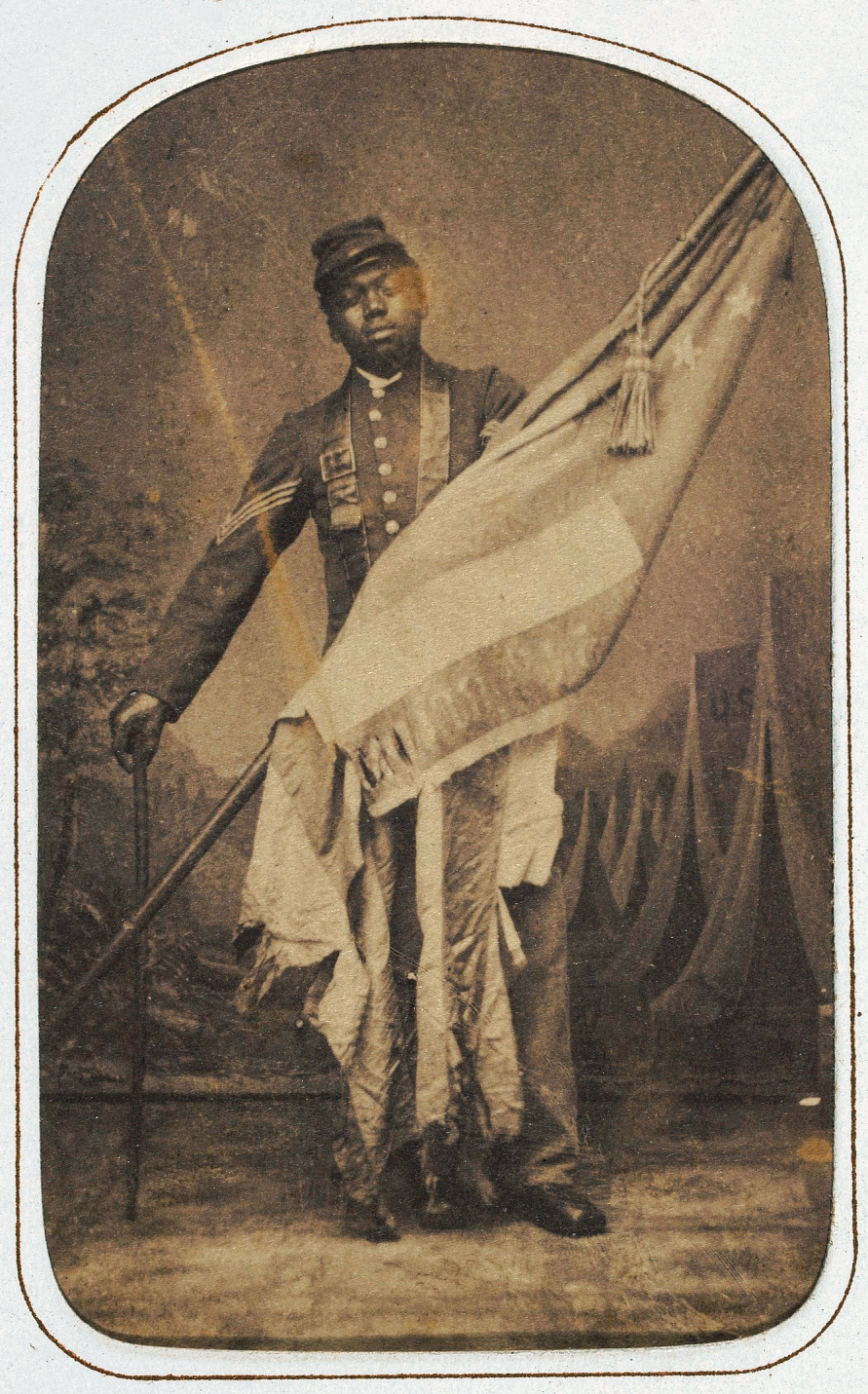
William H. Carney was born enslaved in Norfolk, Virginia, on February 29, 1840. He reached Massachusetts as a free man and enlisted in the 54th. At Fort Wagner, when the color sergeant went down, Carney took the national…
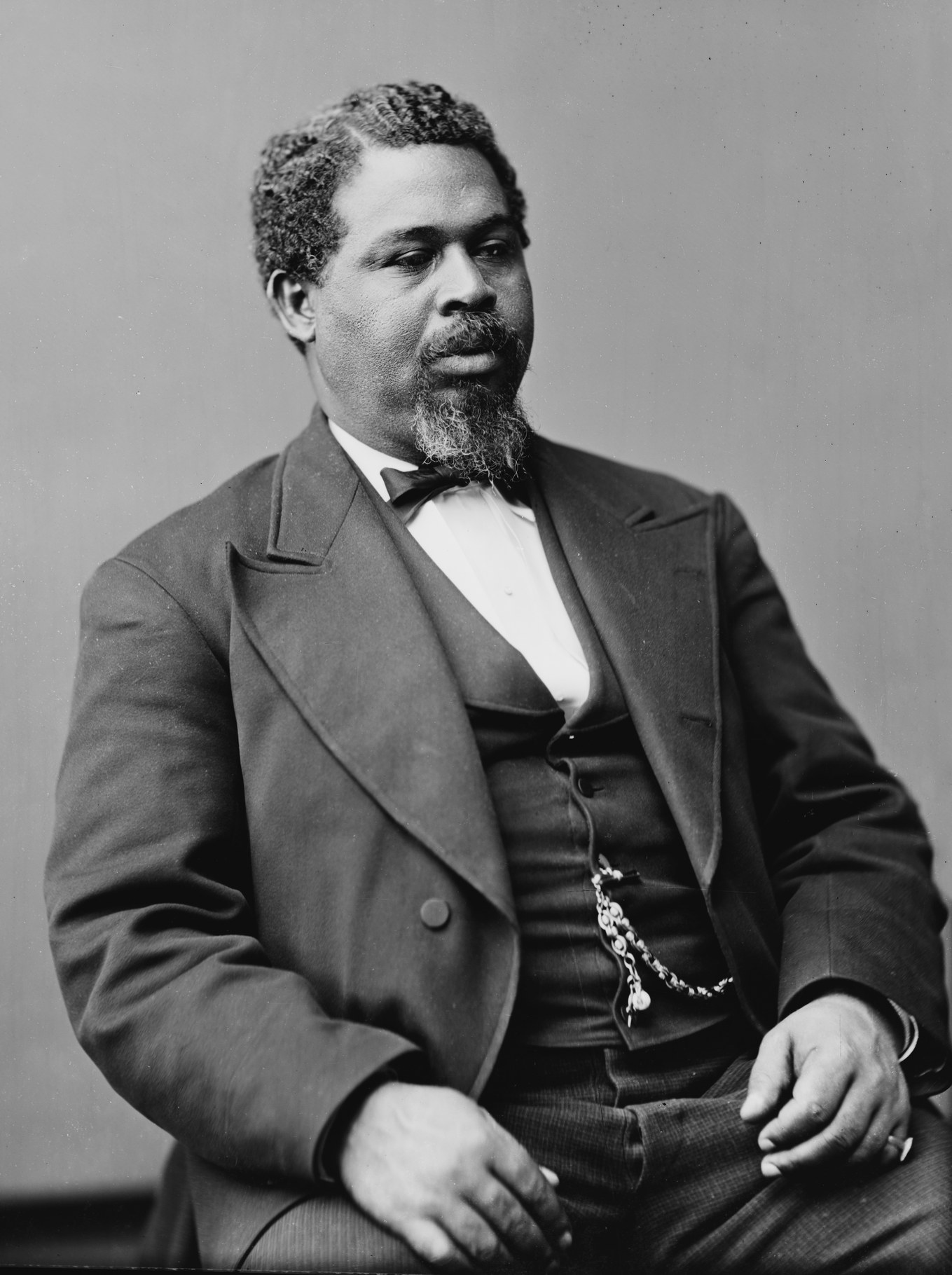
1839–1915 · Pilot (later Captain of the Planter under Union authority)
Robert Smalls was born enslaved in Beaufort, South Carolina, in 1839 and learned Charleston Harbor as a boatman and wheelman. By 1862 he was piloting the armed Confederate steamer Planter in local waters. On the night of…
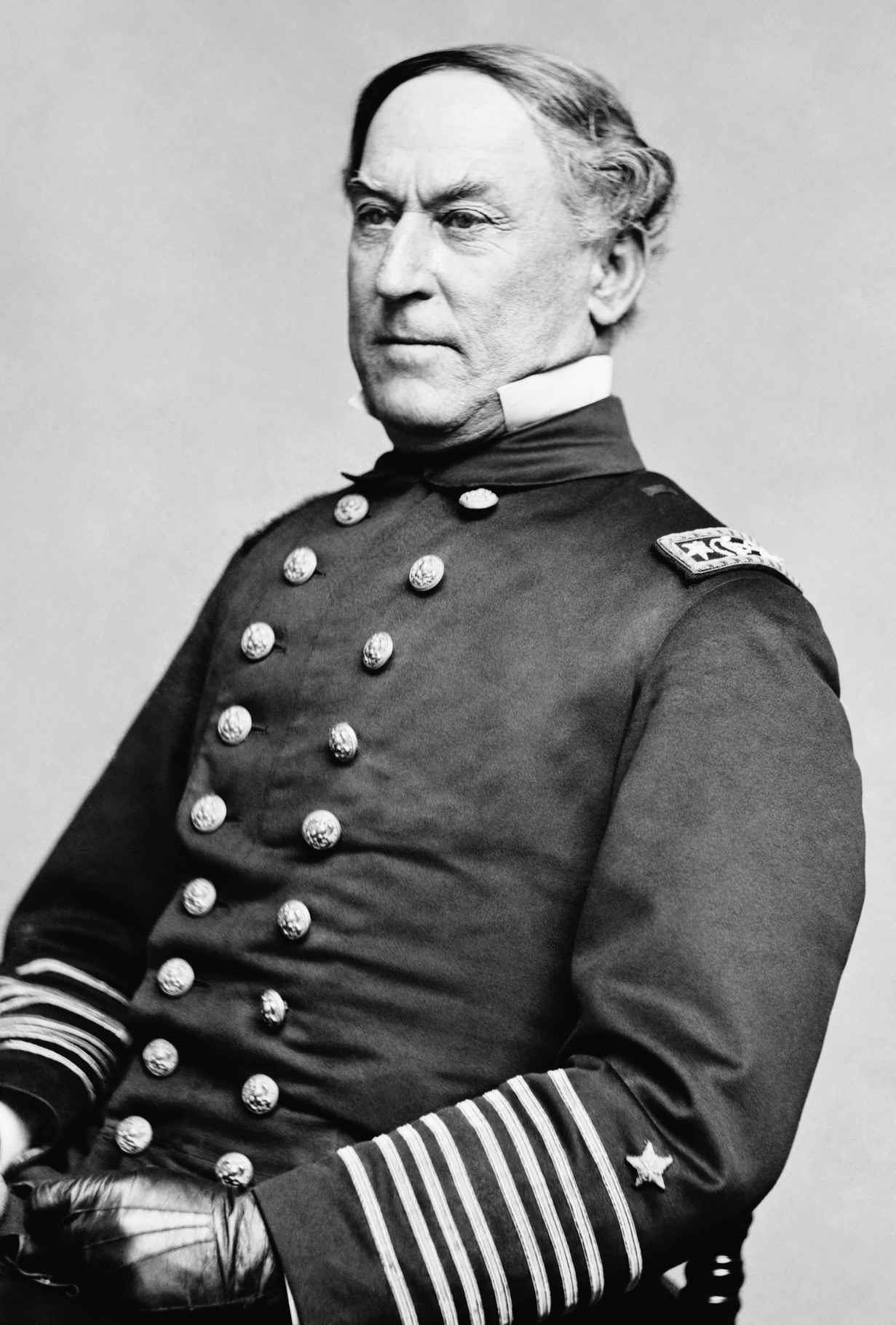
1801–1870 · Admiral (first full admiral, U.S. Navy)
David Glasgow Farragut went to sea as a midshipman in the early republic and spent decades in the Navy before the Civil War made him a national name. In April 1862, commanding the West Gulf Blockading Squadron, he forced…