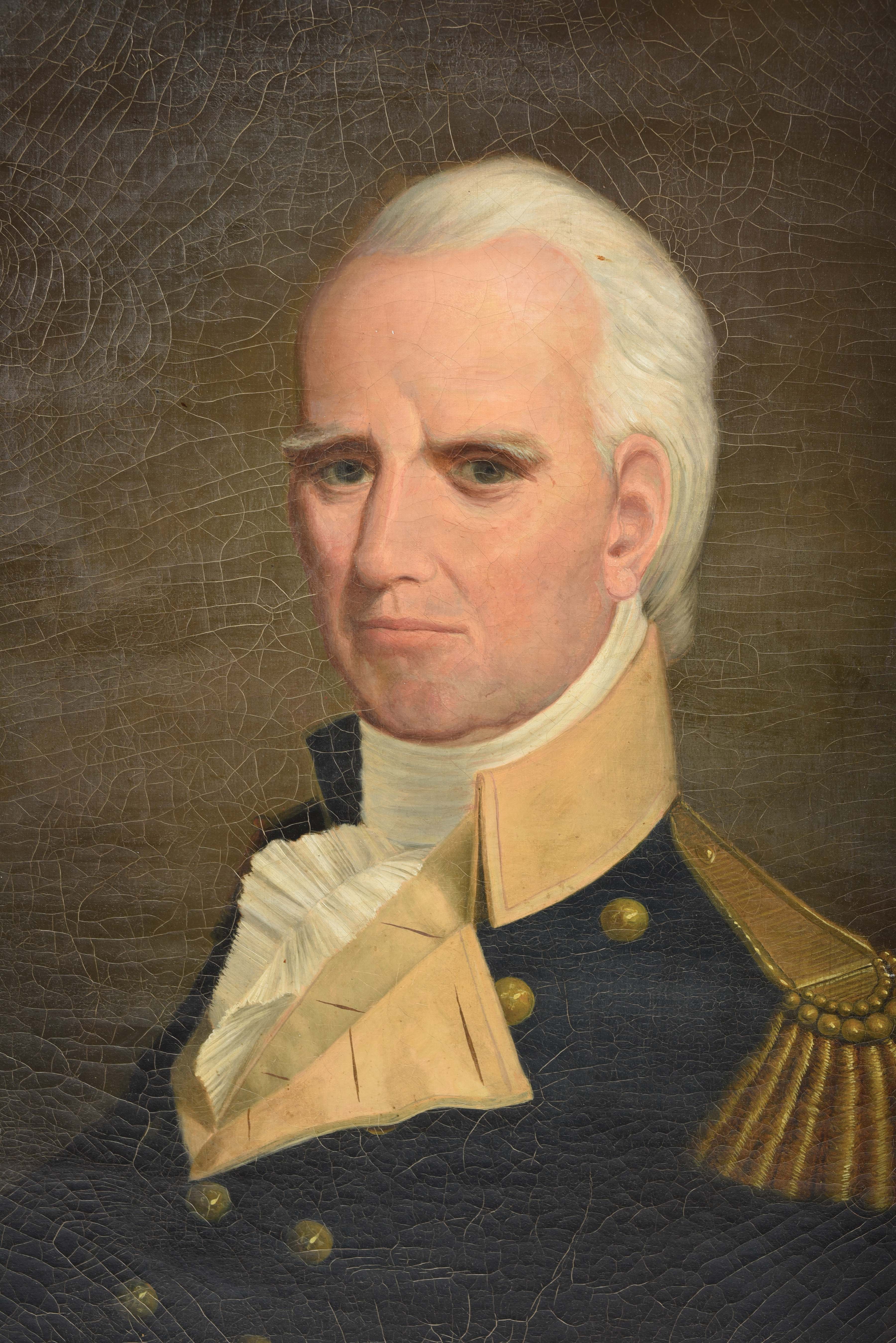
The war that made the United States. Continentals, militia, sailors, spies, and civilians who risked a hanging for a country that did not yet exist.
American War Heroes is a publisher-curated historical register. Notice Nearby writes these entries from documented public records. Checkout does not add a name to a war roll, and we do not issue Heroes badges, MIA labels, or a “verified veteran” mark.
A paid Community memorial may mention military service in the family’s own words. That mention stays on the obituary. It is not verification, and it does not enroll anyone on these lists. Claiming service that was not given is stolen valor. It is disrespectful to those who served.
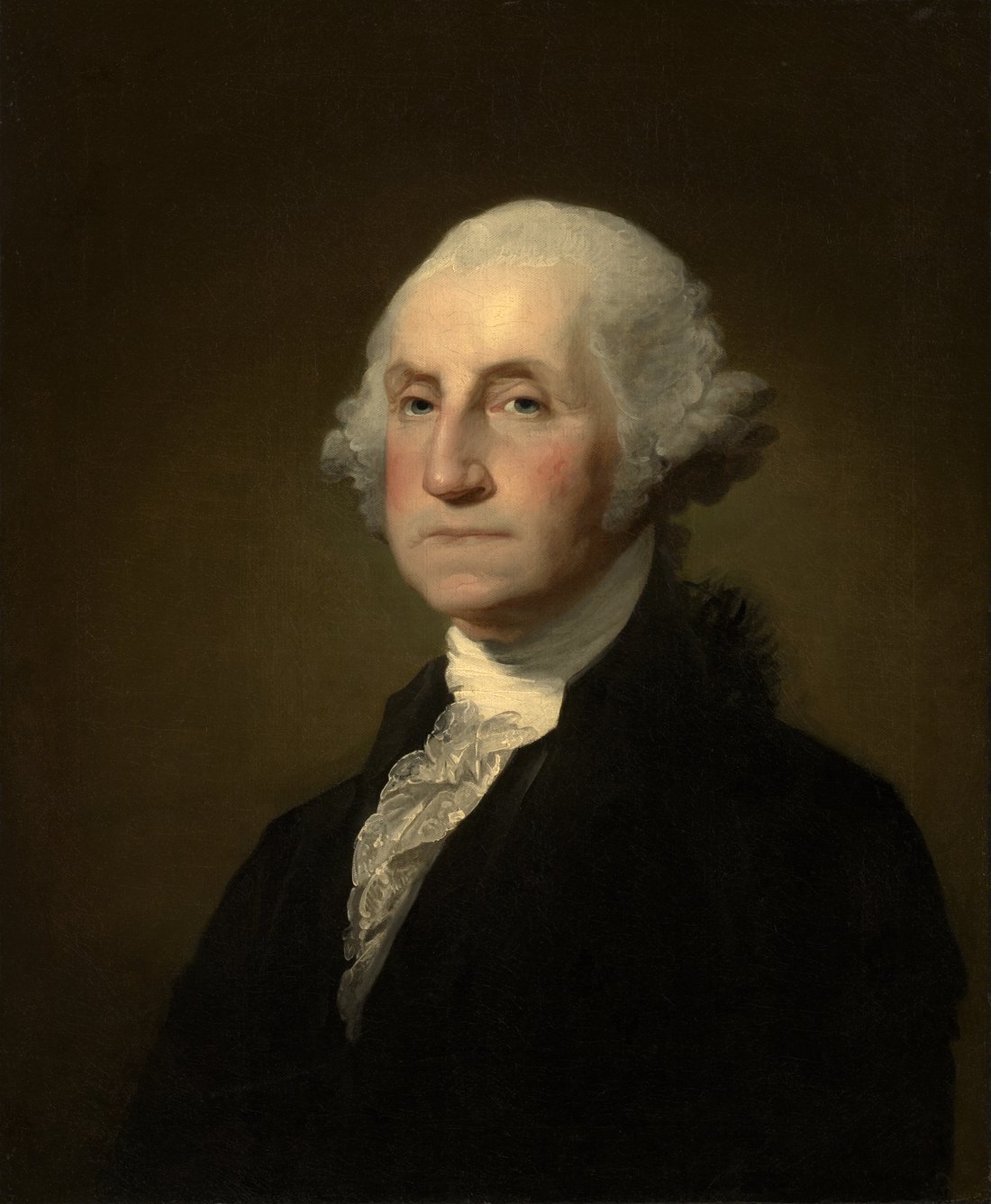
George Washington took command of a rebel army that had more cause than powder. Congress named him in June 1775. He was forty-three, a Virginia planter who had learned war on the Ohio as a young officer and then learned …
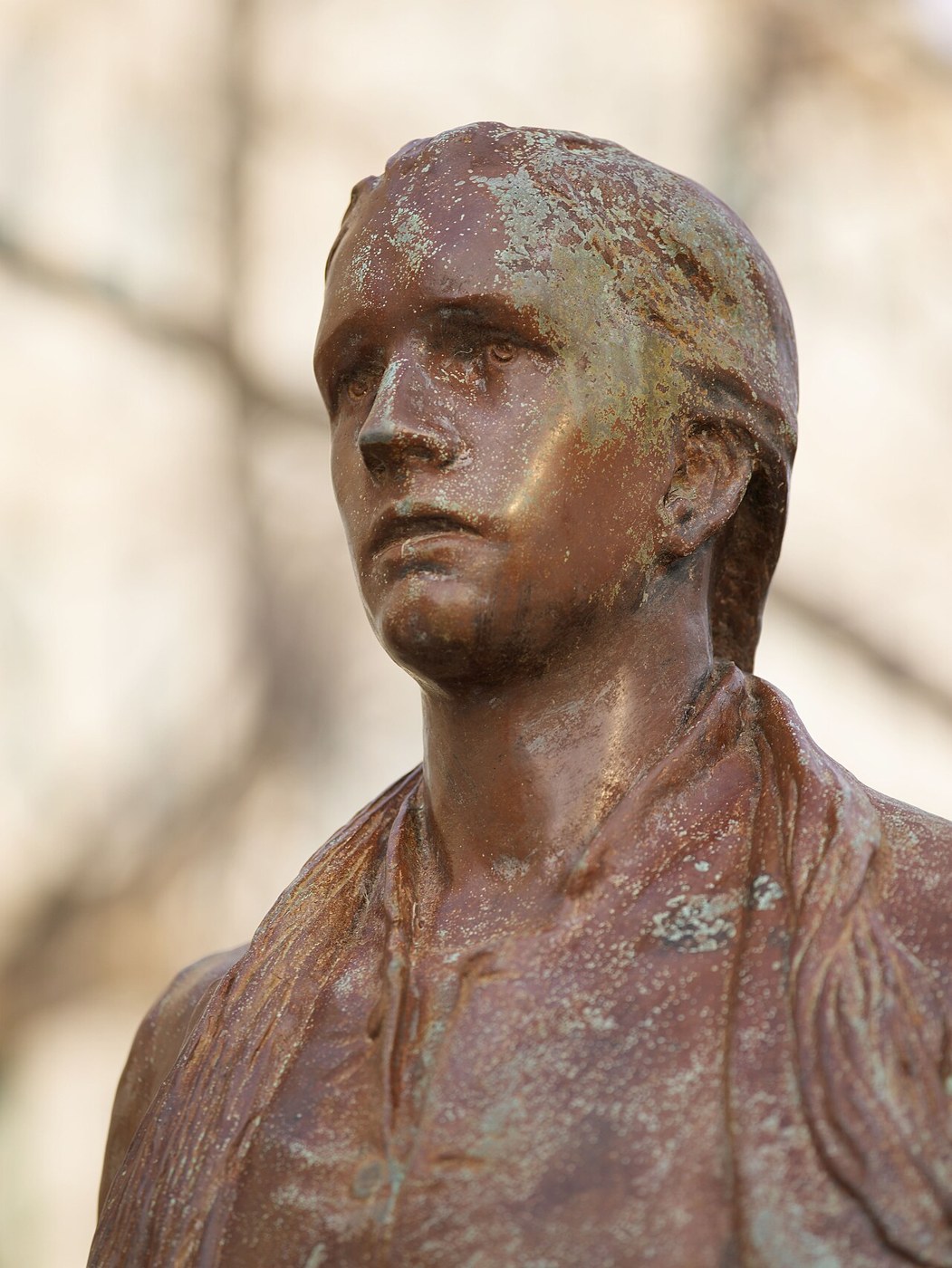
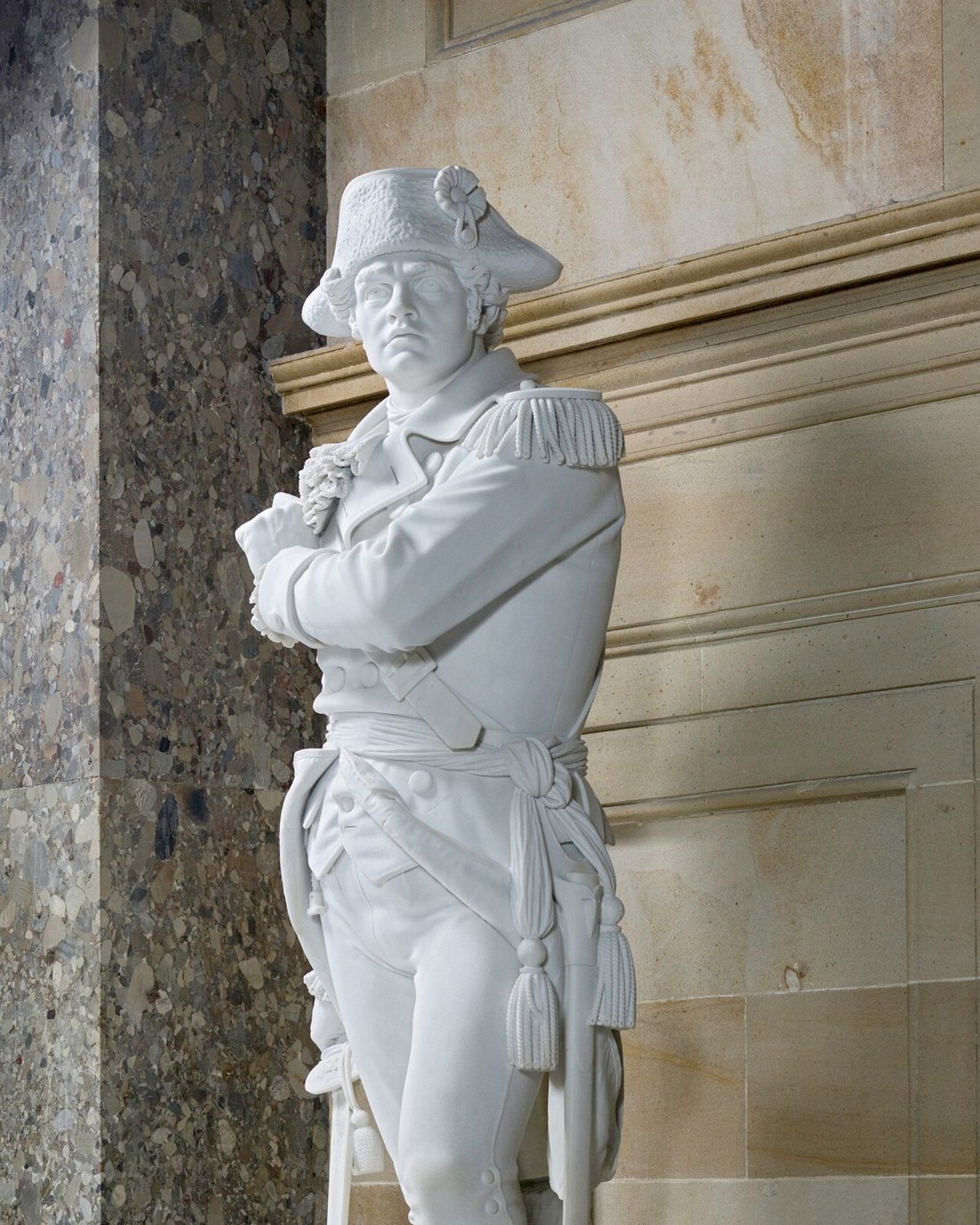
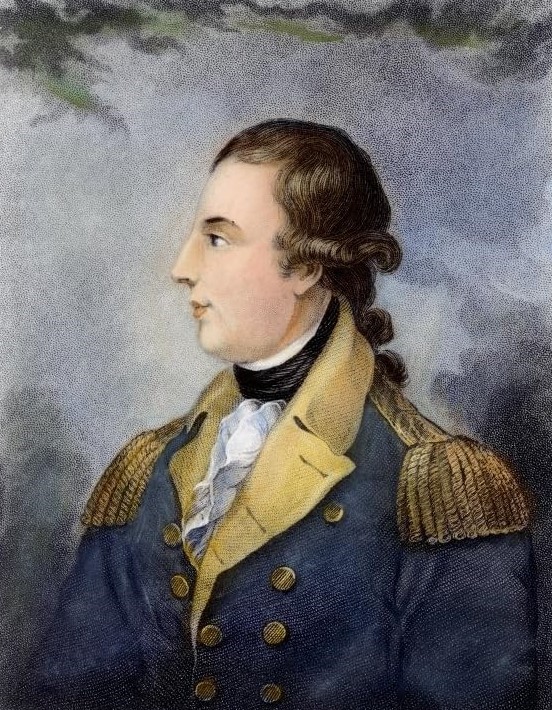
Nathan Hale was hanged in New York on September 22, 1776. He was twenty-one. A Yale graduate from Coventry, Connecticut, he had taught school, then taken a captaincy in the 19th Continental Regiment. After the army was d…
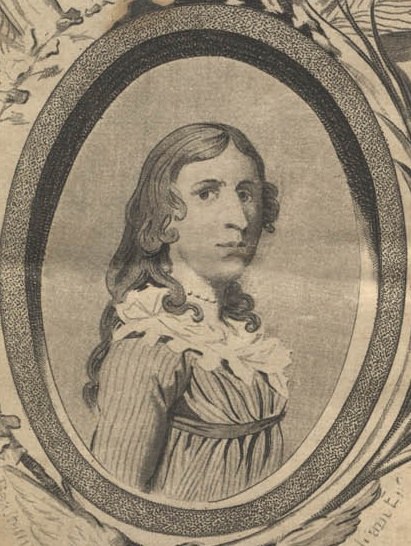
Deborah Sampson enlisted in the Continental Army in 1782 under the name Robert Shurtliff. She was twenty-one, from Plympton, Massachusetts, and she had already learned that a poor woman's choices were narrower than a poo…
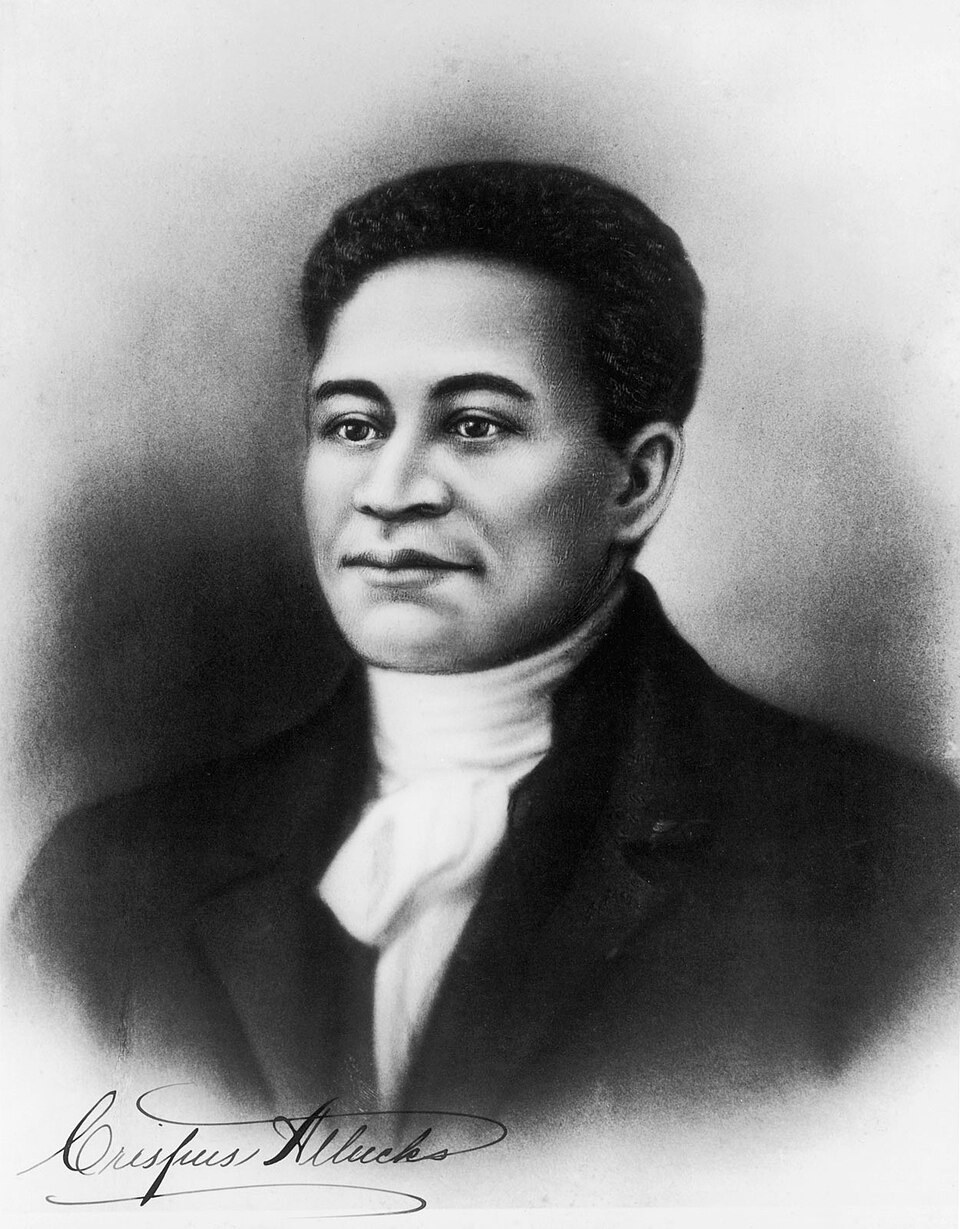
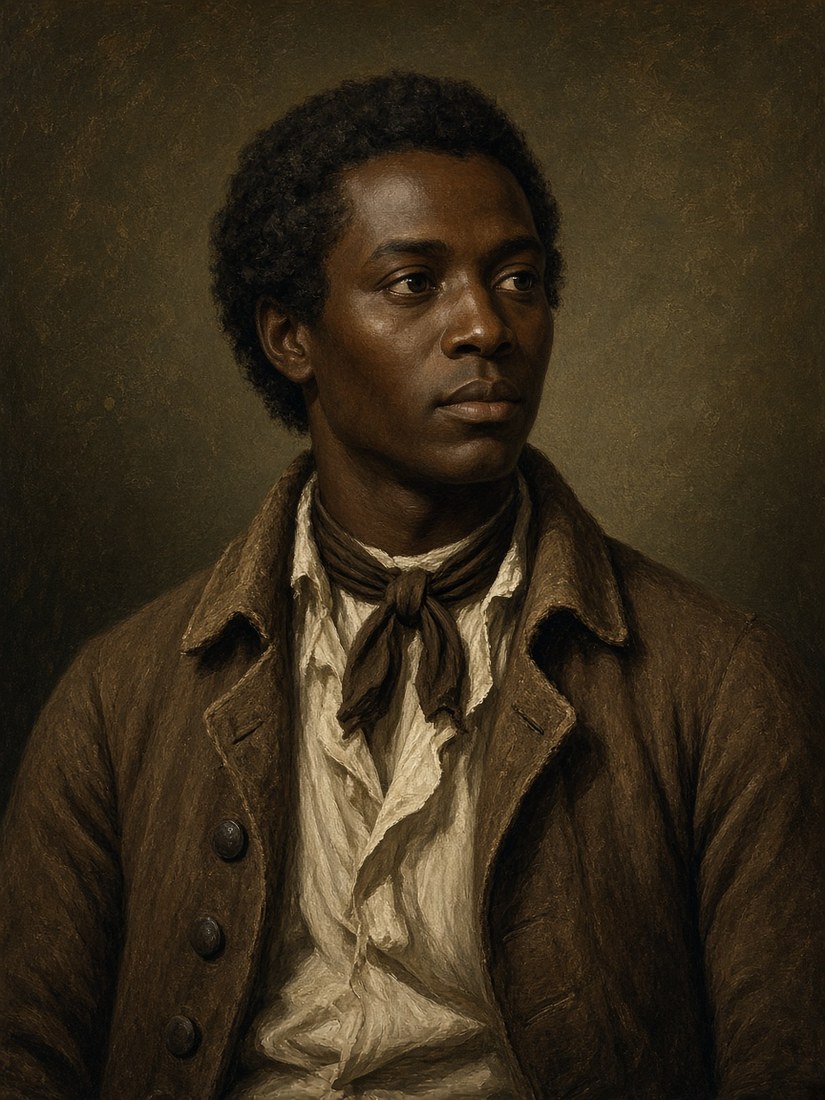
Crispus Attucks died in King Street on the night of March 5, 1770, when British soldiers fired into a Boston crowd. He was about forty-seven. Contemporary accounts describe a tall man of African and Native ancestry, a se…
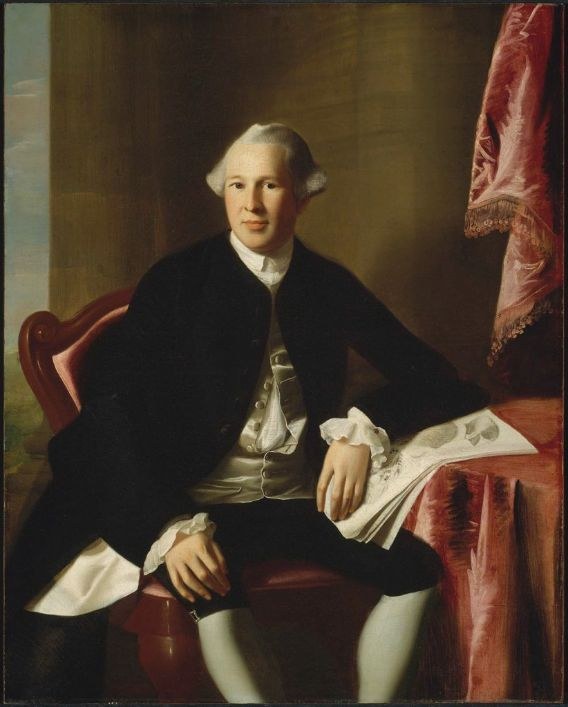
Joseph Warren was killed on Breed's Hill on June 17, 1775, in the fight the country still calls Bunker Hill. He was thirty-four. A Boston physician, he had written the Suffolk Resolves, served the Provincial Congress, an…
Ethan Allen took Fort Ticonderoga before dawn on May 10, 1775, with the Green Mountain Boys and Benedict Arnold beside him. The garrison was small. The guns were not. Those cannon later traveled to Boston and helped push…
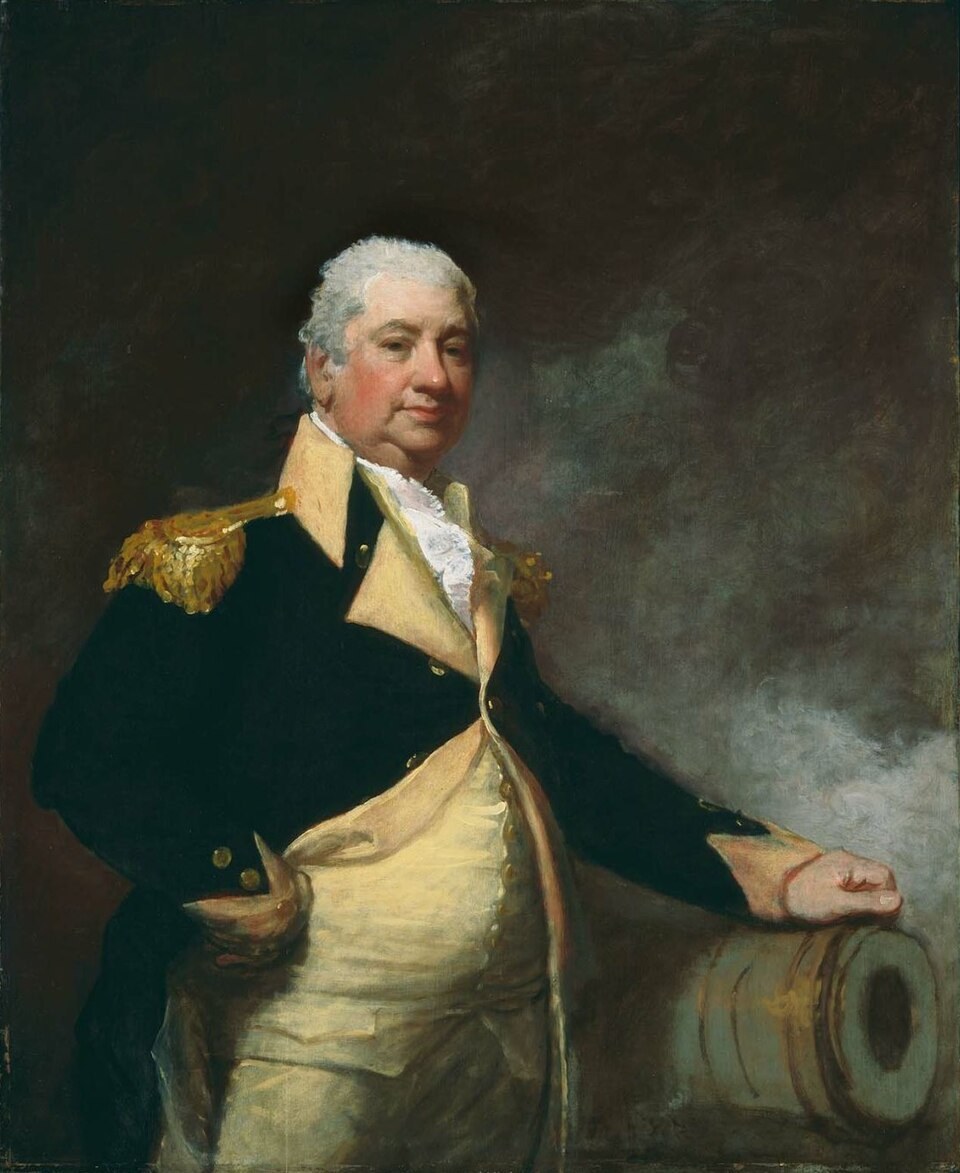
Henry Knox was a Boston bookseller who taught himself gunnery from the stock. Washington made him chief of artillery. In the winter of 1775–76 Knox hauled the Ticonderoga cannon across frozen rivers and Berkshire hills t…
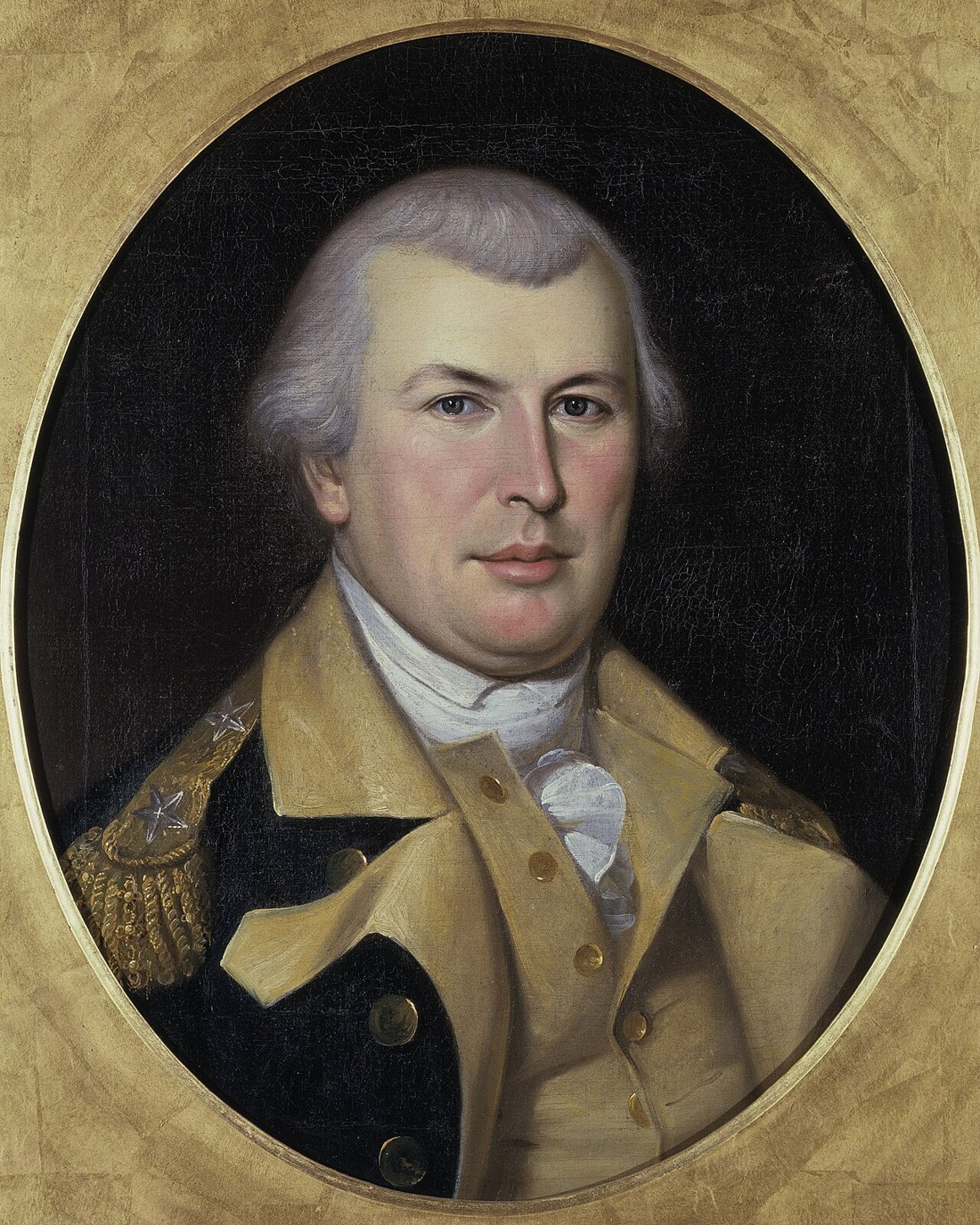
Nathanael Greene was a Rhode Island Quaker who was read out of meeting for attending militia drills and then became the general Washington trusted with the hardest theater. He served as quartermaster when the army was st…
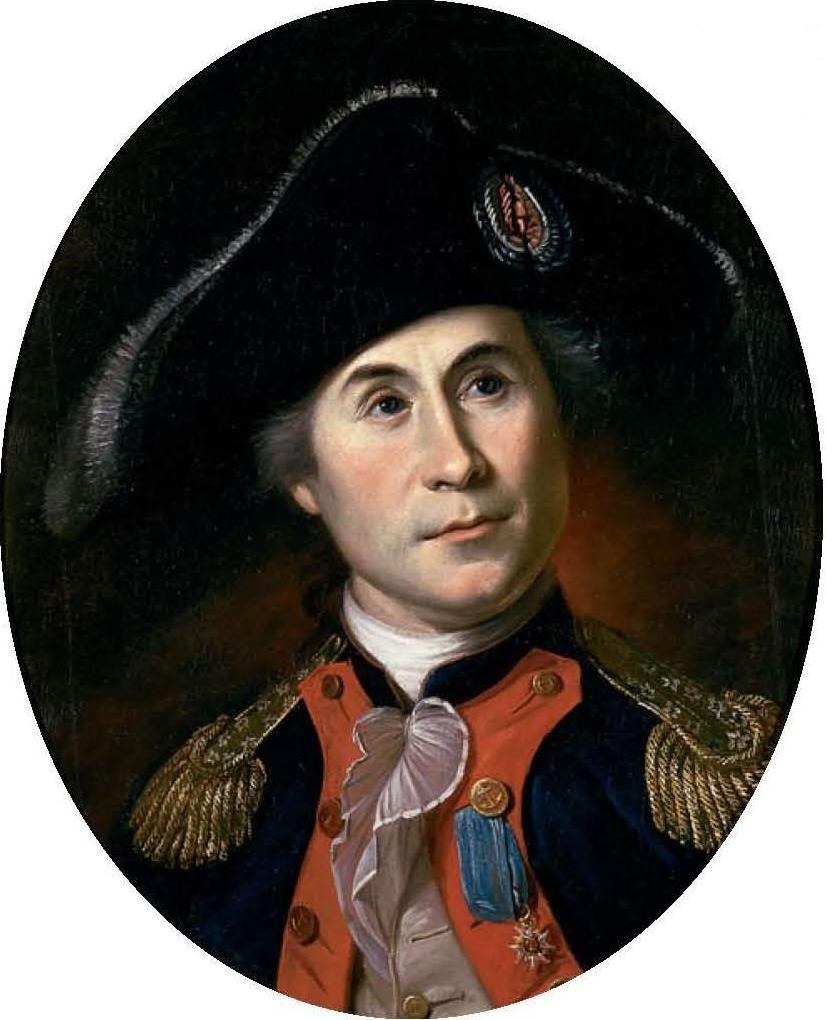
John Paul Jones was born in Scotland and made himself an American naval officer. He took the war into British waters when the Continental Navy was a collection of converted merchants and borrowed French ships. On Septemb…
Salem Poor bought his freedom in 1769 from John Poor of Andover, Massachusetts, for twenty-seven pounds. Six years later he stood in the redoubt on Breed's Hill. Fourteen officers, including Colonel William Prescott, lat…
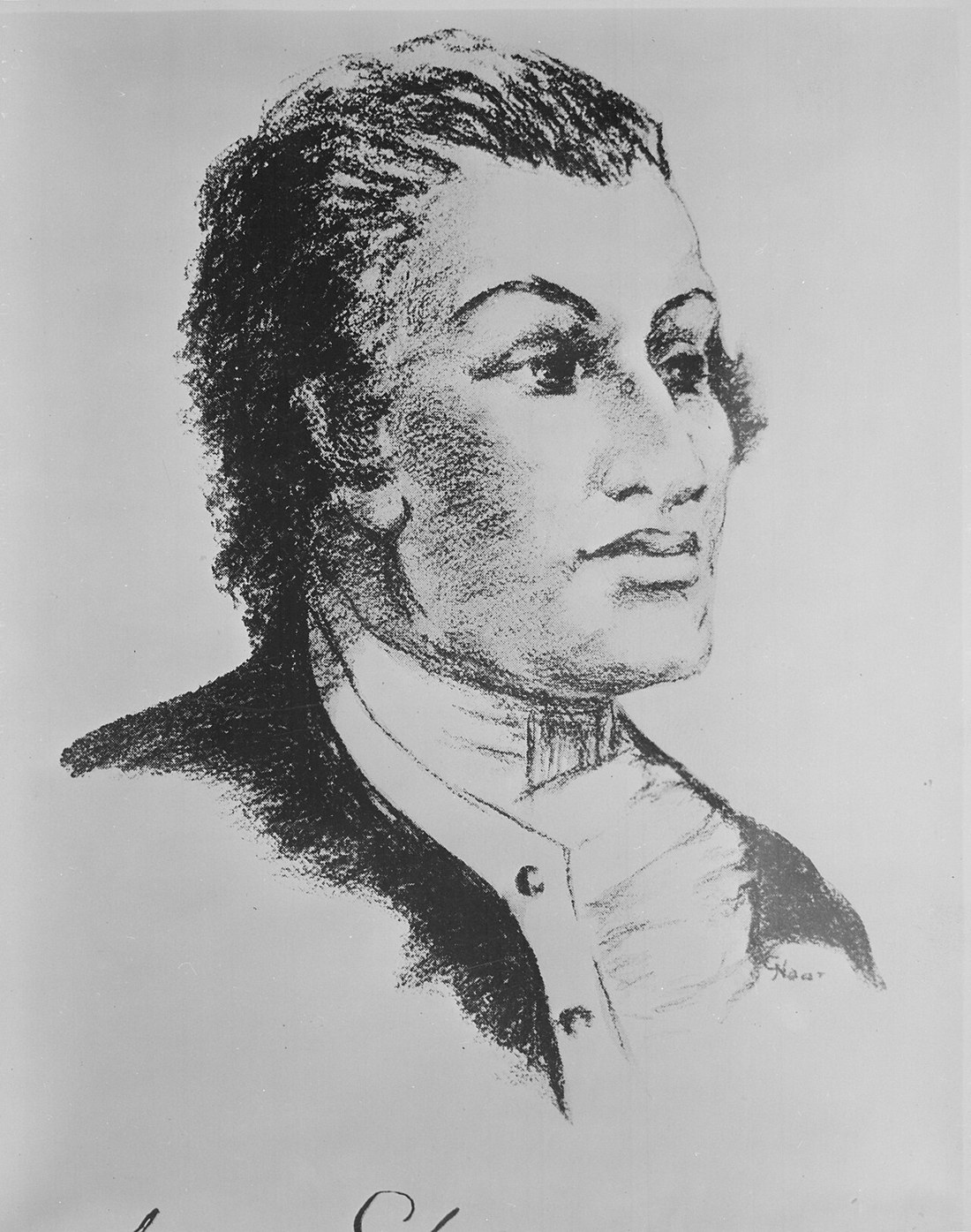
Haym Salomon was a Polish-born Jew who reached New York, was arrested by the British as a suspected rebel, and later made Philadelphia the place he did the most damage to the Crown — with bills of exchange. He worked wit…
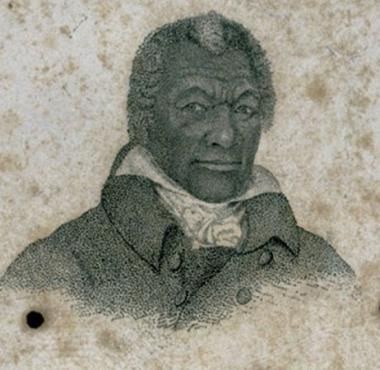
James Armistead was enslaved in New Kent County, Virginia, when he received permission to serve the Marquis de Lafayette in 1781. He went into the British camps around Yorktown as a servant and a pair of ears. The intell…
Daniel Morgan fought the French and Indian War as a wagoner, took a British lash that he never forgot, and then built a reputation as a rifle commander in the Revolution. He went to Quebec with Arnold, was captured, exch…
Francis Marion fought a war of boats, swamps, and sudden roads in the South Carolina Lowcountry after the fall of Charleston. The British called him the Swamp Fox later; the name is less important than the method. He gat…
Margaret Corbin was born Margaret Cochran on the Pennsylvania frontier in 1751. She married John Corbin, an artilleryman, and followed the army the way many wives did — cooking, washing, and standing close enough to a gu…
Alexander Hamilton arrived in the North American colonies as a young man from Nevis, already writing as if a country were a problem that could be solved on paper. The war gave him a different kind of page. He raised a Ne…
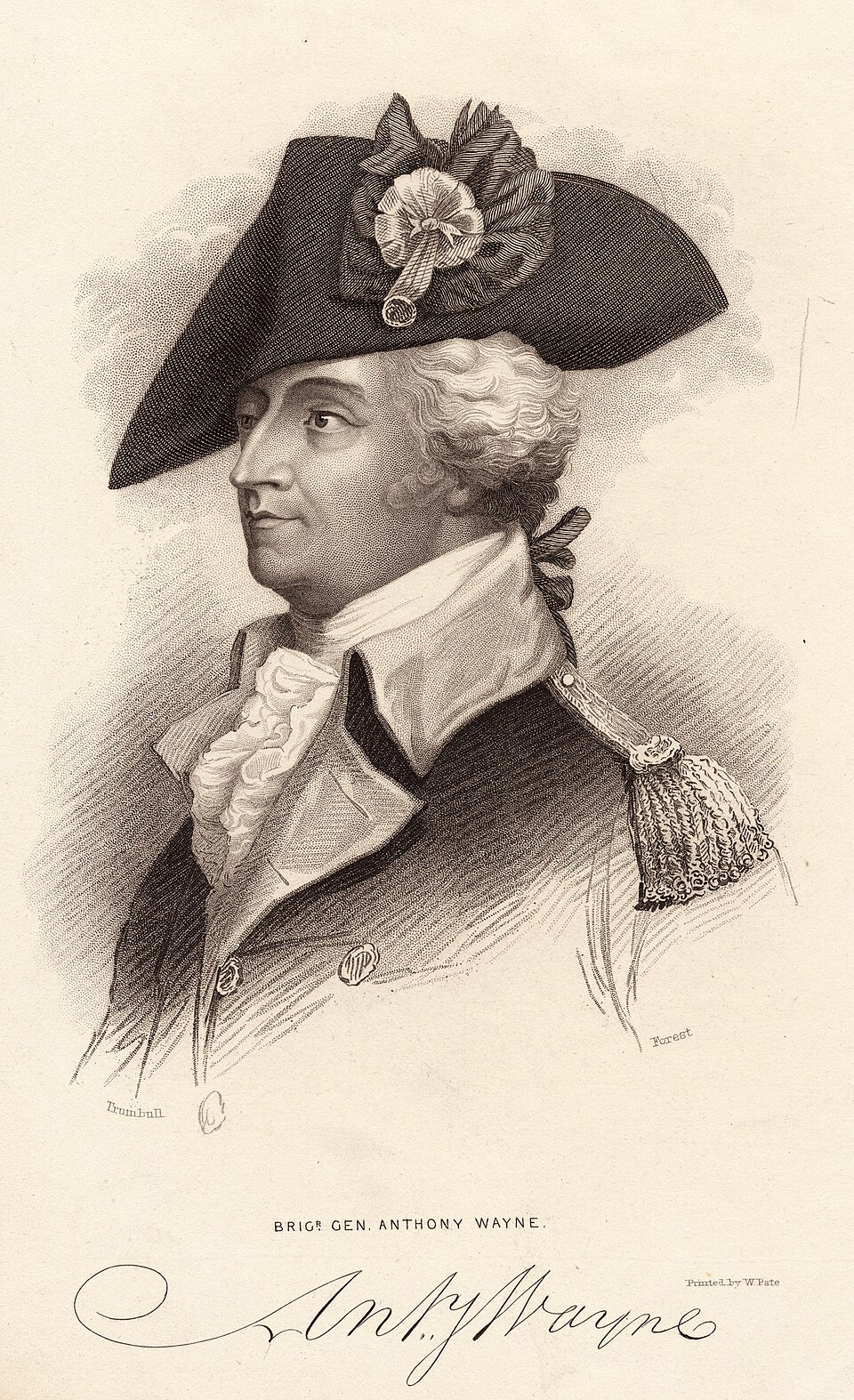
Anthony Wayne was a Pennsylvania surveyor who made a reputation for coming on when other men wanted a council. The British and the newspapers called him Mad Anthony. The name is less useful than the night at Stony Point.…
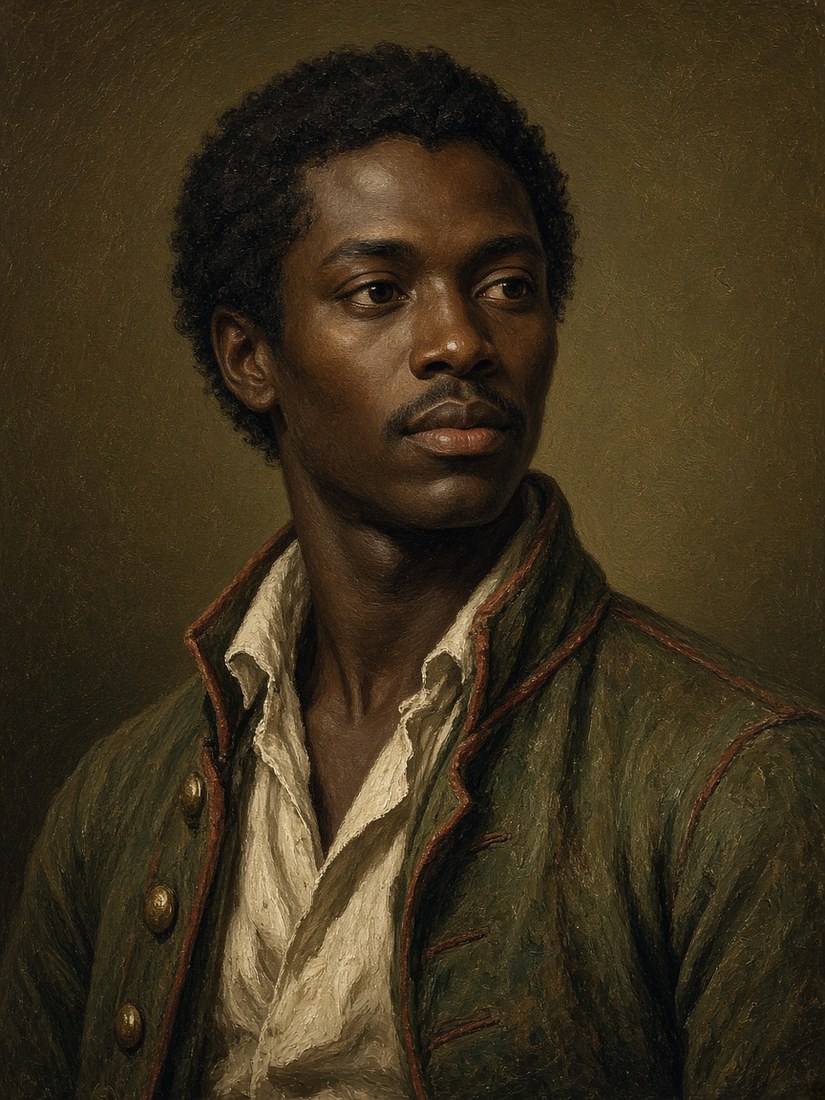
Peter Salem was born enslaved in the Framingham country of Massachusetts about 1750. He was freed to serve. On April 19, 1775, he stood with militia on the road that started the war. On June 17 he was in the redoubt on B…
Richard Montgomery had already worn a British coat in the Seven Years' War when he chose the American side. He was born at Swords, near Dublin, on December 2, 1738. He took Montreal in November 1775 and then walked a sta…
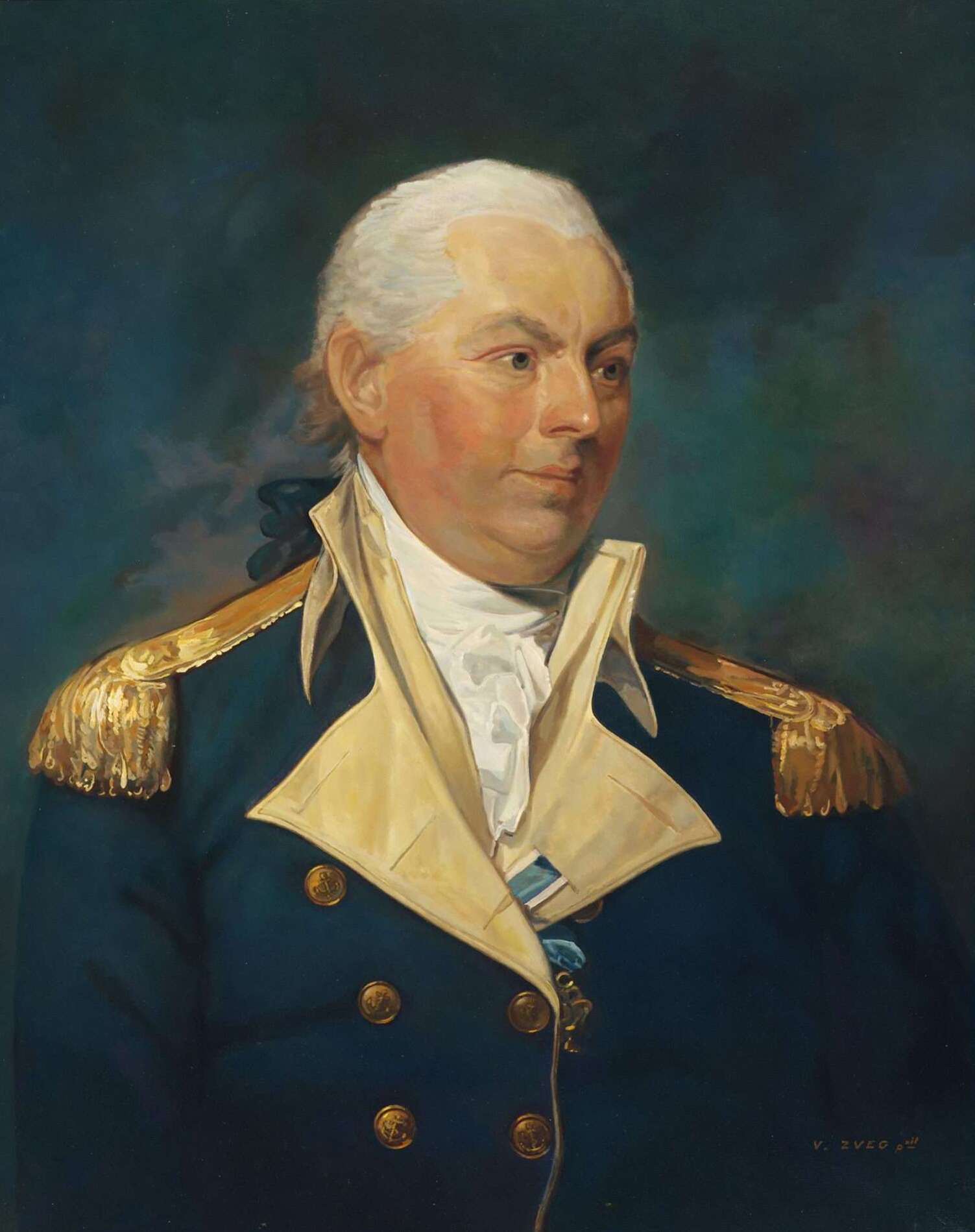
John Barry left Wexford for the Delaware and then for a navy that did not yet have a country it could name without an argument. He commanded Lexington and later Alliance. In 1776 he took HMS Edward — an early Continental…
John Stark learned irregular war in Rogers' Rangers and then spent the Revolution making British columns pay for New Hampshire roads. He was born in Londonderry on August 28, 1728. On June 17, 1775, he held the rail fenc…