Historical figure · Notice Nearby
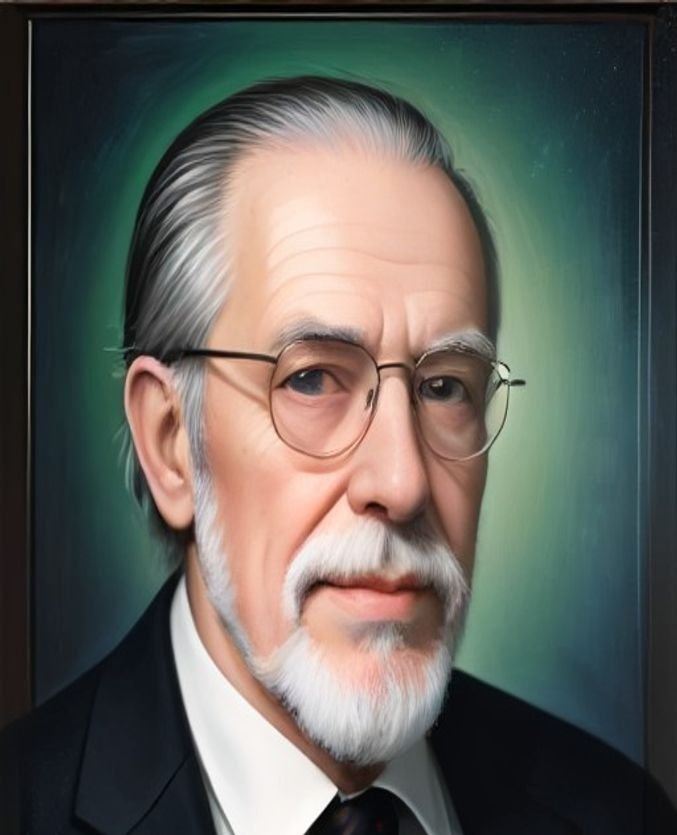
Gordon Gould
July 17, 1920 – September 16, 2005
New York, New York
Content hash on Base
Base stores the content hash, publication number, memorial id, and timestamp — not the full obituary text. The complete memorial remains on Notice Nearby. This is not a legal affidavit.
Gordon Gould, American physicist who coined the word “laser,” filled early notebooks with optical amplifier ideas, and spent three decades fighting the Patent Office and manufacturers to claim credit and royalties, died in New York City on September 16, 2005. He was eighty-five. New York birth, Columbia graduate work, and a career that braided invention with litigation had already made him a cautionary hero of American intellectual property — the man who wrote “laser” into a notebook and then had to prove, slowly, that the idea was his to own.
Born Richard Gordon Gould on July 17, 1920, in New York City, he worked on optical pumping and amplification concepts in the late 1950s as others raced toward working devices. Priority disputes with better-connected labs became a long war of patents, appeals, and courtroom enforcement. Eventually Gould secured key patents and royalties that validated parts of his claim even as textbooks continued to split credit among several names. The acronym stuck; the ownership fight became part of the invention’s folklore.
Physics students meet the laser as a clean diagram. Gould’s biography reminds them that diagrams live inside institutions that reward paperwork as much as insight. New York was both cradle and closing chapter.
He died in New York on September 16, 2005. The word he coined outlived the lawsuits.
Gould’s legacy is stubborn authorship — the insistence that a notebook can still matter in an age of corporate labs. Notice Nearby keeps the death date so September 16 remembers the physicist who named the beam and then spent a life proving it.
Services
Died in New York City, September 16, 2005. Physicist; coined “laser” and pursued foundational optical-amplifier patents across decades of litigation.