Historical figure · Notice Nearby
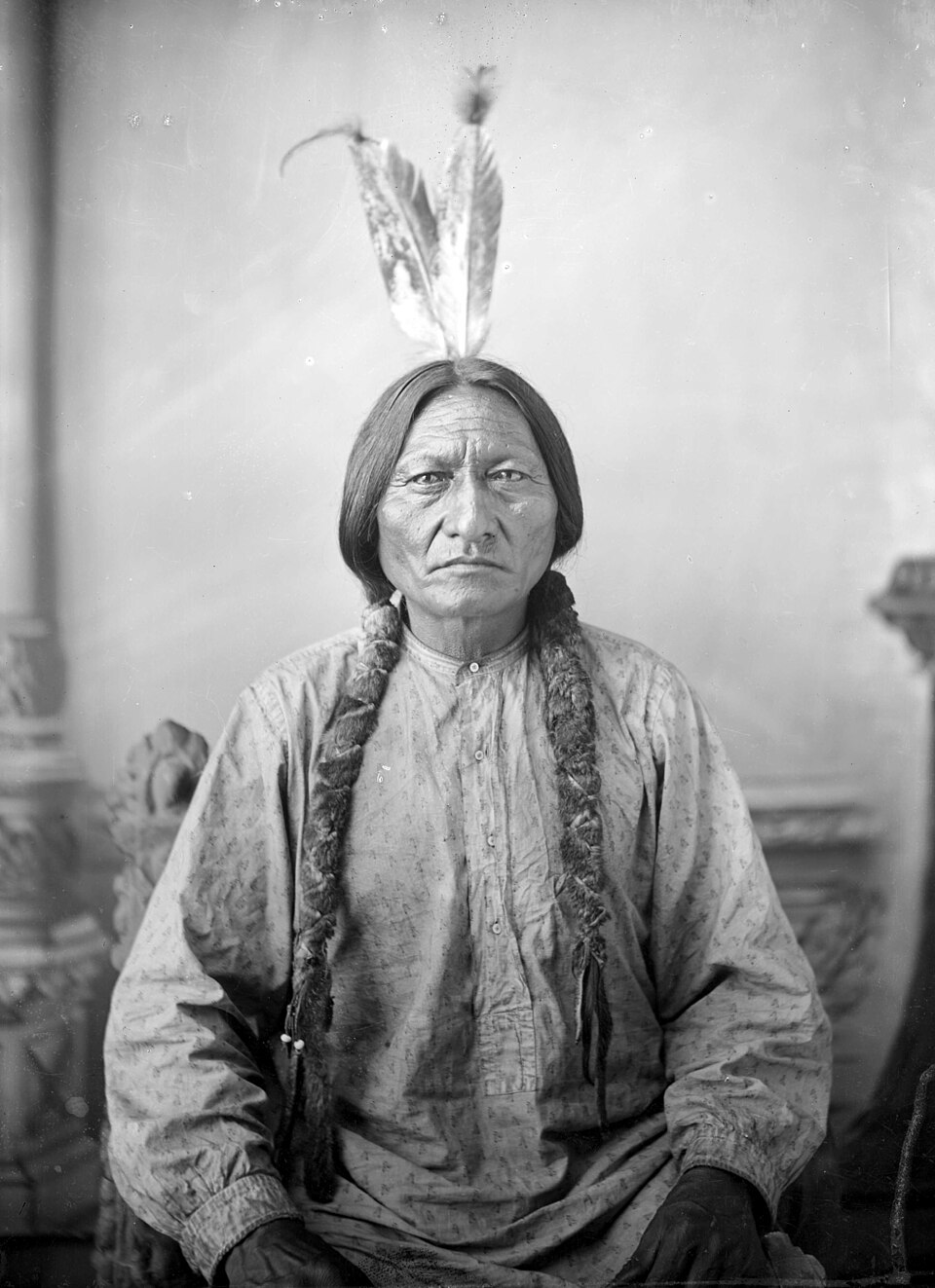
Sitting Bull
January 1, 1831 – December 15, 1890
Fort Yates, North Dakota
Content hash on Base
Base stores the content hash, publication number, memorial id, and timestamp — not the full obituary text. The complete memorial remains on Notice Nearby. This is not a legal affidavit.
Sitting Bull, Tatanka Iyotake of the Hunkpapa Lakota, was killed at Standing Rock on December 15, 1890. He was about fifty-nine. Indian police sent to arrest him in the gray of morning shot him in the confusion that followed; his people and the police both took losses. Wounded Knee came two weeks later. Born around 1831 along the Grand River, he was a holy man and war leader whose people defeated Custer on the Little Bighorn in 1876 and then crossed into Canada before hunger brought them back.
He toured for a time with Buffalo Bill, a decision that still argues, and returned to the reservation with a fame that made the agent nervous. The Ghost Dance frightened the agency; Sitting Bull's camp became a place the government wanted emptied. This memorial names Fort Yates, the agency town, and does not pretend the killing was a battle.
His remains were later moved to Mobridge, South Dakota, a transfer that relatives still dispute. The argument over that grave is part of the history. Birth year about 1831. The name the newspapers used is the name this page keeps, with his own beside it.
He had surrendered, toured, and gone home, and still the agency treated his camp as a fuse. The police who came before dawn included men who knew him. Fort Yates is the register town. Mobridge is the later argument. The Grand River country is the beginning the file cannot relocate. Canada had been a refuge that hunger closed. The agency town still sits on the river. Whether the bones at Mobridge are the last word is a family question this page will not pretend to settle.
Services
Killed at Standing Rock on December 15, 1890. A burial site is at Fort Yates, North Dakota; a later grave is at Mobridge, South Dakota. Birth year about 1831.