Historical figure · Notice Nearby
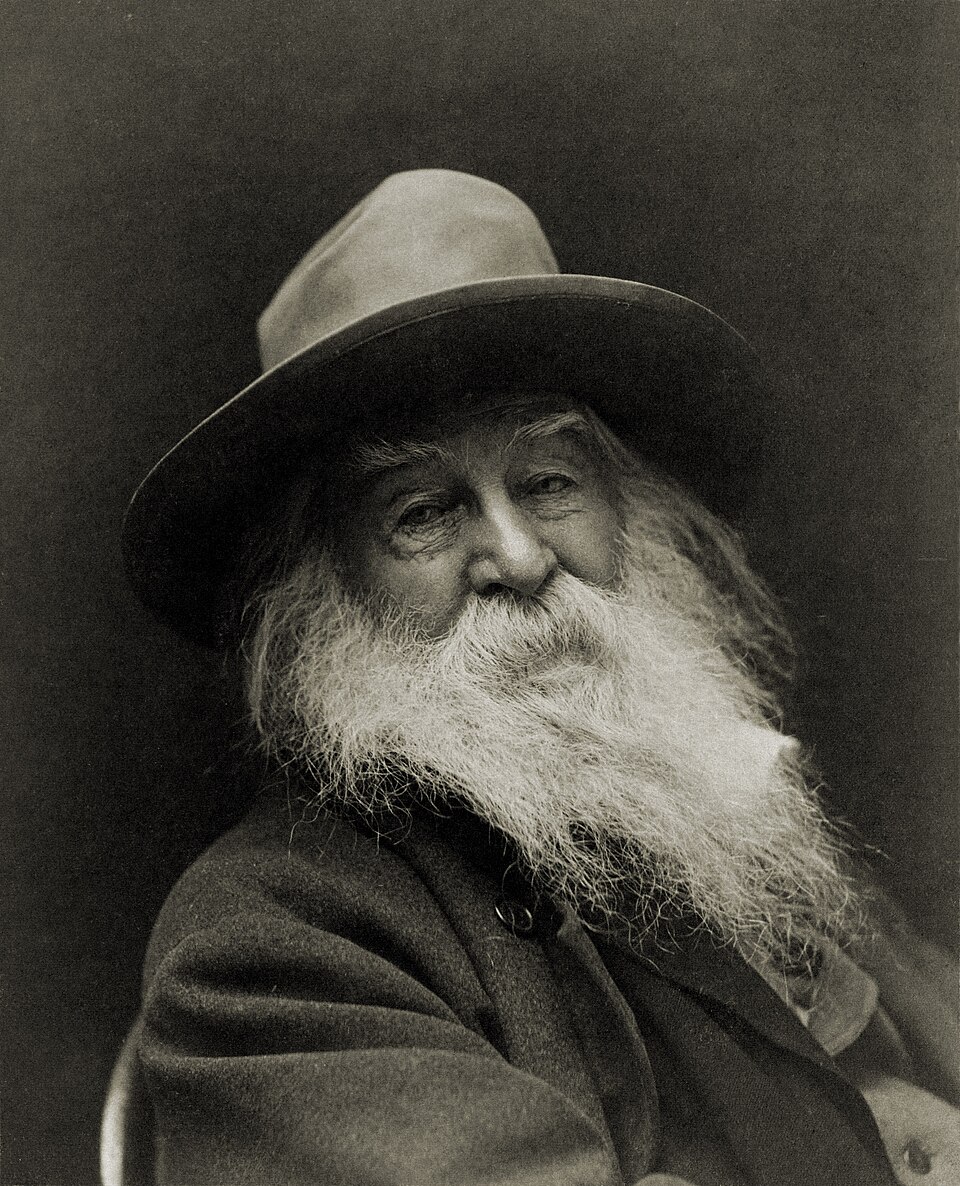
Walt Whitman
May 31, 1819 – March 26, 1892
Camden, New Jersey
Content hash on Base
Base stores the content hash, publication number, memorial id, and timestamp — not the full obituary text. The complete memorial remains on Notice Nearby. This is not a legal affidavit.
Walt Whitman died in the small wooden house on Mickle Street in Camden, New Jersey, on March 26, 1892. He was seventy-two. The room was crowded with papers, visitors, and the smell of the river. Born on Long Island on May 31, 1819, he worked as a printer, teacher, and editor in Brooklyn, then published Leaves of Grass in 1855 and spent the rest of his life enlarging it the way a city enlarges: by annexation, repetition, and a refusal to call any catalog finished.
He nursed wounded soldiers in Washington hospitals during the Civil War and wrote a country that included ferry decks, Broadway, and the bodies other poets left out of the republic. He lost a government clerkship for the book's indecency and gained a late fame that arrived as disciples at the door. Camden was the last cheap house after a stroke, the open window, and the granite tomb he designed for himself in Harleigh Cemetery — a little too grand, which he would have enjoyed.
He never married. He loved men and did not file the fact for later critics. The 1855 portrait, open-collared, is still the face the country uses. The book remains unfinished on purpose. That was the point.
Hospital notebooks from Washington are as close as he came to a war diary: names, oranges, a hand held through a fever. He asked to be read outdoors. Camden, an industrial river town, was an odd last stage for a poet of ferries, and therefore the right one. The tomb is slightly ridiculous. The book is not.
Services
Died in Camden on March 26, 1892. Interment in the tomb he designed at Harleigh Cemetery.