Federal brief
Music Streaming Fraud
At a congressman’s request, the U.S. Copyright Office asks the public how fake streams are draining music royalties and what could stop them. Comments due November 23, 2026; replies December 21. FR 2026-20537.
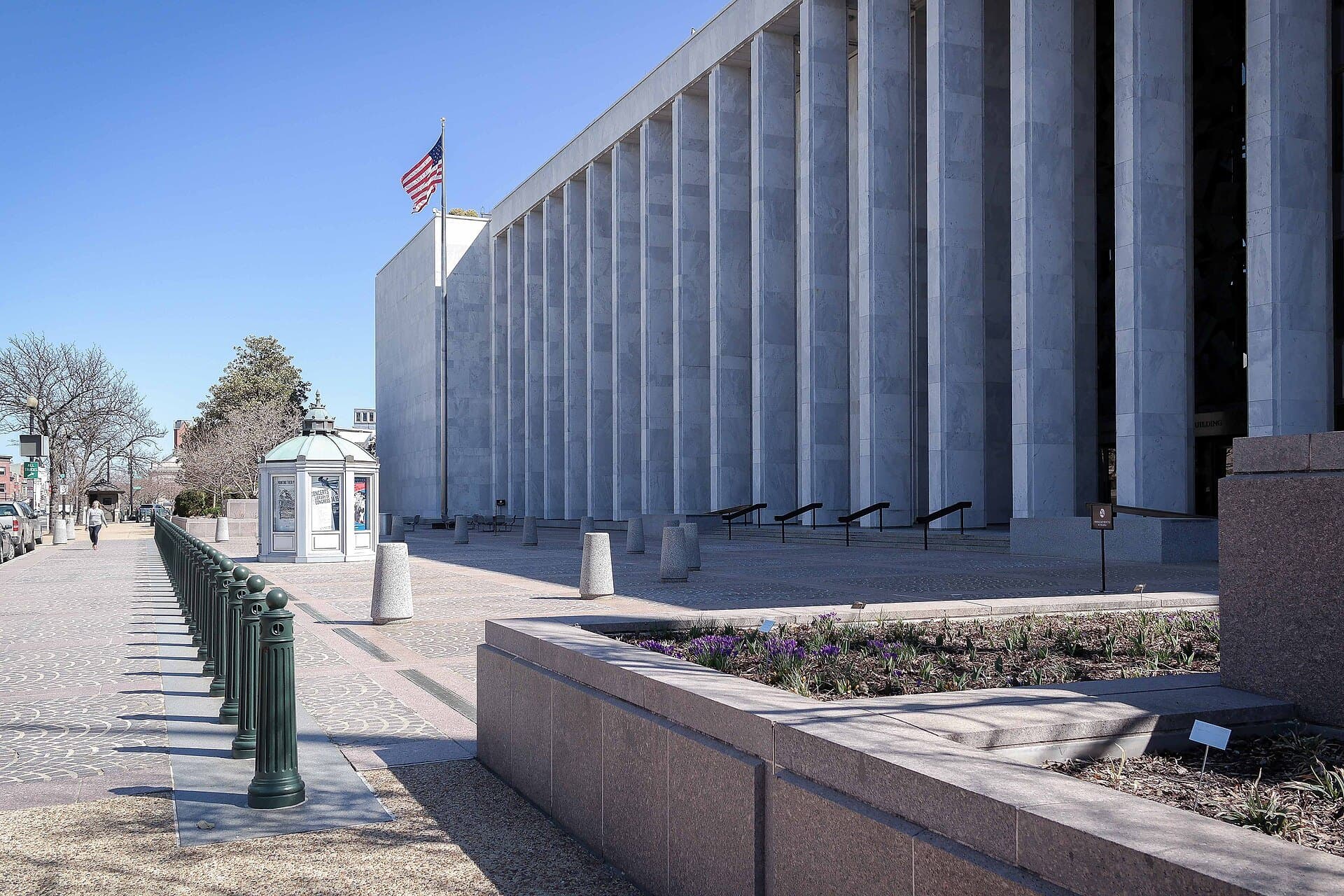
Every fake play of a song takes a slice of a royalty pool meant for real artists. The U.S. Copyright Office, part of the Library of Congress, wants to know how big that problem is.
The Office opened a public inquiry on music streaming fraud after a May 21, 2026, letter from Representative Scott Fitzgerald of the House Judiciary Committee asked it to examine how common streaming fraud is across digital platforms and how it may be affecting the music industry. The notice defines streaming fraud as using deceptive or unpermitted methods to artificially increase a song’s or album’s stream count.
Why the money matters: the notice cites estimates of about $9.5 billion in domestic streaming revenue for sound-recording owners and about $7.3 billion in total domestic revenue for music publishers. Under the common “pro-rata” system, the more a song is played, the bigger its share of the pool — so fake plays dilute what everyone else is paid. The notice lists schemes such as bot farms, click farms, playlist manipulation and fraudulent marketing companies, and describes a Justice Department case in North Carolina charging a defendant with wire fraud and money-laundering conspiracy tied to streaming fraud.
The Office poses ten questions, including how fraud is carried out, which industry practices may unintentionally feed it, its economic impact, its links to AI-generated music and to live-music decisions like venue selection and ticket sales, how well current countermeasures work, whether a shared database of known fraud would help, what voluntary, statutory or regulatory fixes might work, how criminal enforcement could help, and any other recommendations for Congress.
Written comments are due by 11:59 p.m. Eastern on November 23, 2026, and reply comments by December 21, 2026, through regulations.gov (Docket No. 2026-6). Instructions are at www.copyright.gov/policy/music-streaming-fraud. Contact: Rhea Efthimiadis, Assistant to the General Counsel, (202) 707-8350.
Federal Register filing: https://www.federalregister.gov/documents/2026/10/07/2026-20537/music-streaming-fraud
This is a Notice Nearby publisher-desk Federal brief — a short in-house summary of a public federal filing. It is not official agency minutes, not a newspaper story, and not Legal Publication. It does not satisfy a statutory notice requirement.
Source: the official public federal record 2026-20537 · Federal Register · 2026-20537 · 2026-20537.
This is a Notice Nearby publisher-desk Federal brief — a short in-house summary of a public federal filing. It is not official agency minutes, not a newspaper story, and not Legal Publication. It does not satisfy a statutory notice requirement.